


Reimagining the EHR: From System of Record to System of Orchestration

KEY TAKEAWAYS
- The healthcare industry has moved from data scarcity to data overload. Today’s EHRs document care after it happens. They don’t orchestrate what should happen next.
- Real progress requires shared data, aggressive summarization, risk modeling, and the organizational courage to move from passive documentation to active care management.
- By summarizing and coordinating data into a meaningful path forward for physicians, an orchestration-focused EHR can help improve patient outcomes.
A growing number of health tech leaders are saying the same thing: AI will shift the EHR from a system of record to a system of intelligence and orchestration.
It’s a compelling vision. But can today’s healthcare infrastructure actually support it?
There’s the rub.
For years, the industry mantra was simple: We need more data. Now we’re swimming in data – labs, images, consult notes, discharge summaries, risk scores, device feeds, pharmacy fills. The list goes on…
Problem solved, right? Not so fast.
The issue now isn’t access. It’s synthesis. We have more signals than any human can process, and we’re still asking physicians to manually scroll, hunt, and reconcile to try and make sense of it all. That’s not intelligence.
What we need is meaning. A better way for all that data to help physicians deliver better patient care. So how do we get there?
Why Today’s EHRs Fail at Coordination
One of the biggest problems with EHRs today is that this supposed “system of record” barely contains the record.
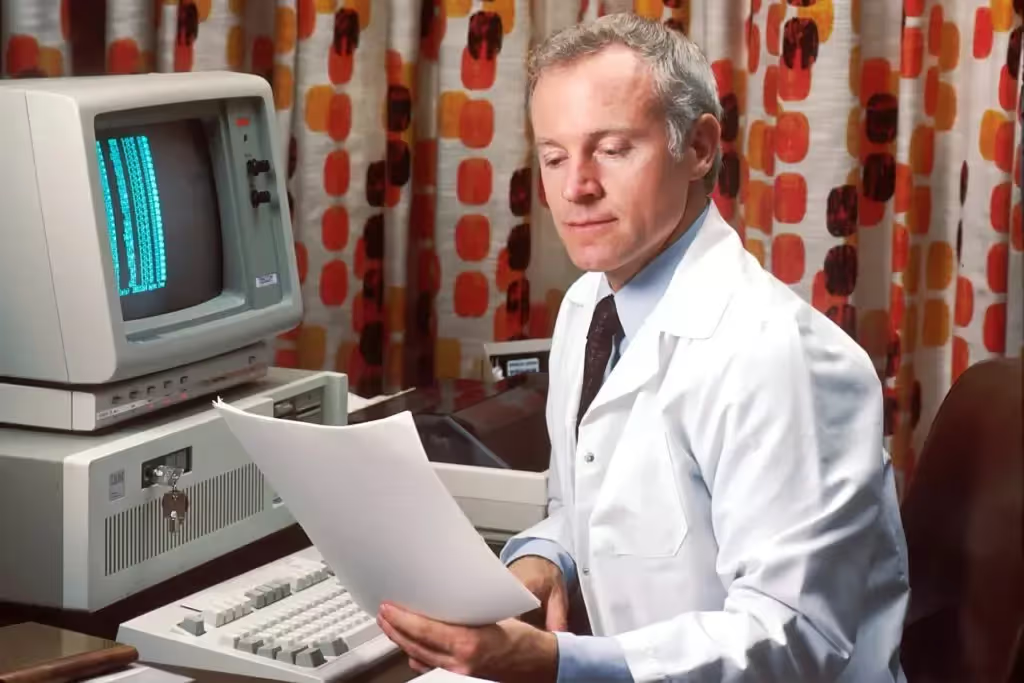
The EHR is allegedly the modern-day incarnation of “the chart,” that all-encompassing manila folder of yesteryear. Yet it hardly feels comprehensive. Most EHRs only hold the slice of the patient that passed through your four walls. The rest lives elsewhere – sometimes accessible, often not and mostly messy, rarely reconciled.
The result? Physicians aren’t getting the full story – a particularly frustrating situation given the current age of data-sharing that we’re living in. But that’s not the only limitation.
Even when the data is there, it’s essentially a laundry list – tests run, images taken, referrals placed, prescriptions ordered – with no real connective thread. It doesn’t shed light on the actual care journey to answer questions like:
- What matters right now?
- What’s missing?
- What’s risky?
- What’s next?
Today’s EHR is a system of record – much like the old manila folder – and little more. It tells a physician what happened, but doesn’t help them decide what to do.
That’s the difference between a record and an orchestrator.
What Orchestration Could Look Like
Of course, physicians are happy to have more information than they had in the past. But now it’s almost too much. There’s a trove of data but little in the way of context.
So what would a better version of an EHR look like? First and foremost, instead of just being an overwhelming list of things that have happened, it would:
- Summarize longitudinal history into something coherent.
- Highlight gaps, not just completed documentation.
- Surface risk before it becomes revenue leakage or clinical harm.
- Prioritize what matters at this exact moment in the patient’s journey.
With an orchestration layer summarizing the patient’s information, the physician who opens the chart would see things like:
- The three things that matter today.
- The one thing they’re about to miss.
- The risk that’s quietly compounding in the background.
- The specialist follow-up that never happened.
This more active, intervention-driven system would still draw from the system of record that is the current EHR. But by using AI to quickly review, summarize, and analyze all of that data into something more coherent and usable for the doctor, it would act more like a triage agent.
Now you have an EHR that relieves administrative burden instead of creating more. A physician who can build a more appropriate and nuanced care plan for that patient. And a patient with a greater opportunity for a better outcome.
That’s orchestration. And that’s how you push patient care forward.
Potholes on the Road to EHR Orchestration – And How to Fix Them
Of course, if it was easy to move to an orchestration-focused EHR, we’d probably be there already. But it’s not and we’re not. Today’s EHRs have a number of technical and regulatory limitations when it comes to where and how they access data.
There’s also the question of whether providers are really ready to move from a system of record to one of orchestration.
- Do they have contracts that allow them to manage the whole patient?
- Do they have the capacity to devote time to the whole patient experience?
- Are they financially incentivized to make this shift?
For many providers, the answer to these questions is no. Most healthcare systems aren’t currently set up to follow a more active EHR model.
That’s where Zus comes in. We aren’t trying to replace the EHR. We’re building the orchestration layer on top of it. That means:
- APIs that let EHRs access broader clinical context.
- Summaries that highlight what’s missing, rather than just what’s documented.
- Risk models that surface undocumented diagnoses before they become revenue or care gaps.
- Responsibly deployed AI insights that make sense of the glut of data that’s out there and help facilitate orchestration.
The idea is to get the ball rolling for EHRs to help make orchestration a realistic possibility – not just another good idea that never comes to fruition.
That’s how we work with customers like Tennessee Oncology, sifting through and summarizing their data to deliver a better experience for physicians and patients alike.
As Larry Bilbrey, director of data insights and innovation at Tennessee Oncology, put it: “No human can go through the amount of patient data we have. That’s why we need Zus to pull out the timely and relevant things the doctor needs to know before they see that patient.”
In other words, they have the data – they need the meaning buried in all that data so they can deliver better patient care. And that’s what Zus is helping them find.
FAQs

Explore the latest content from Zus
Explore articles, case studies, succes stories and insights on modern health care.

Zus Health Achieves HITRUST r2 Certification, Demonstrating Commitment to Cybersecurity and Information Protection

No Second Chances: How Zus Helps Providers Use AI to Get Risk Capture Right the First Time
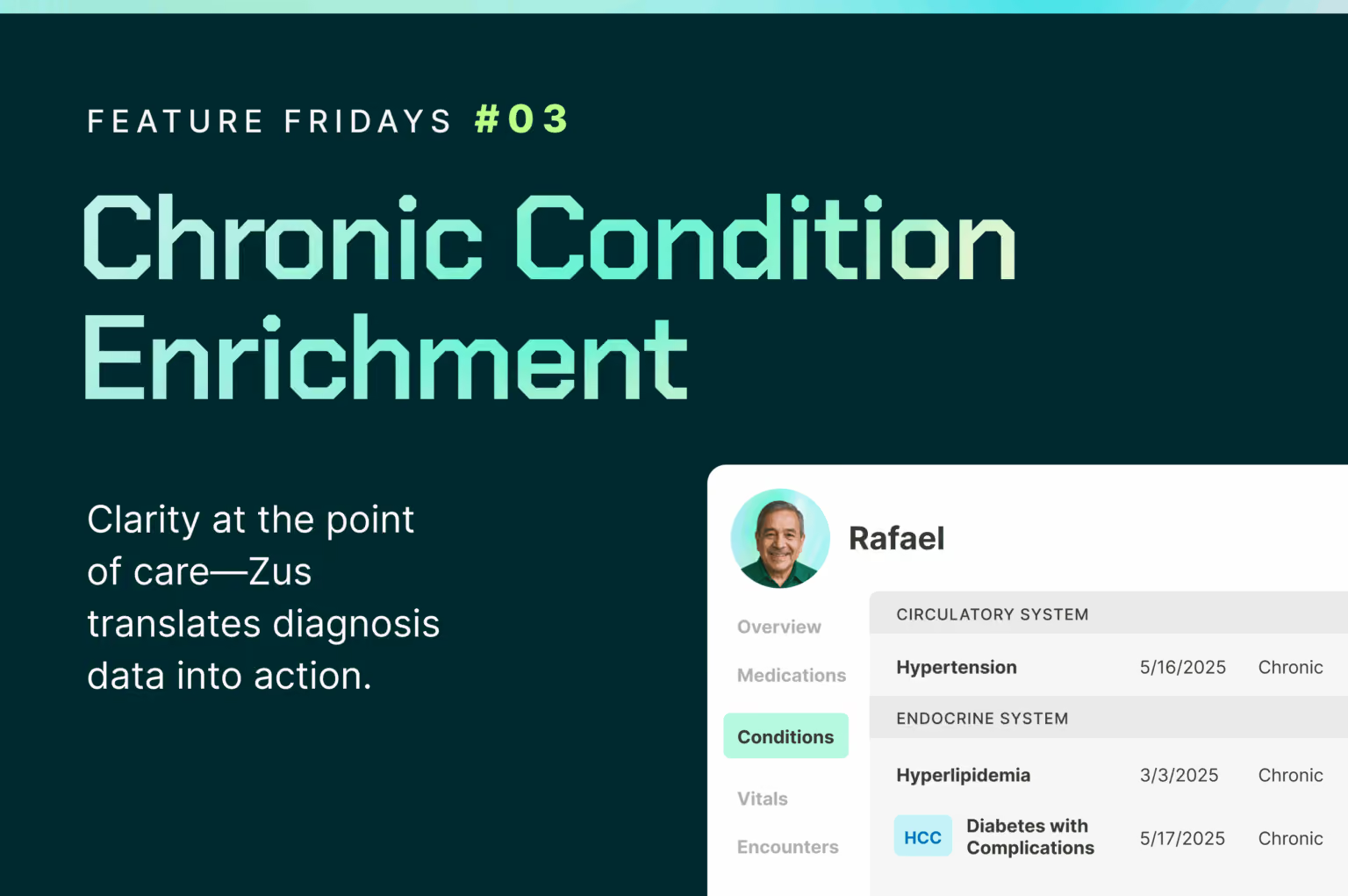
Feature Fridays: Turning Condition Chaos into Clinical Clarity for Improved Care
The End of Retrospective Risk Adjustment: Why Prospective Coding Is the New Standard
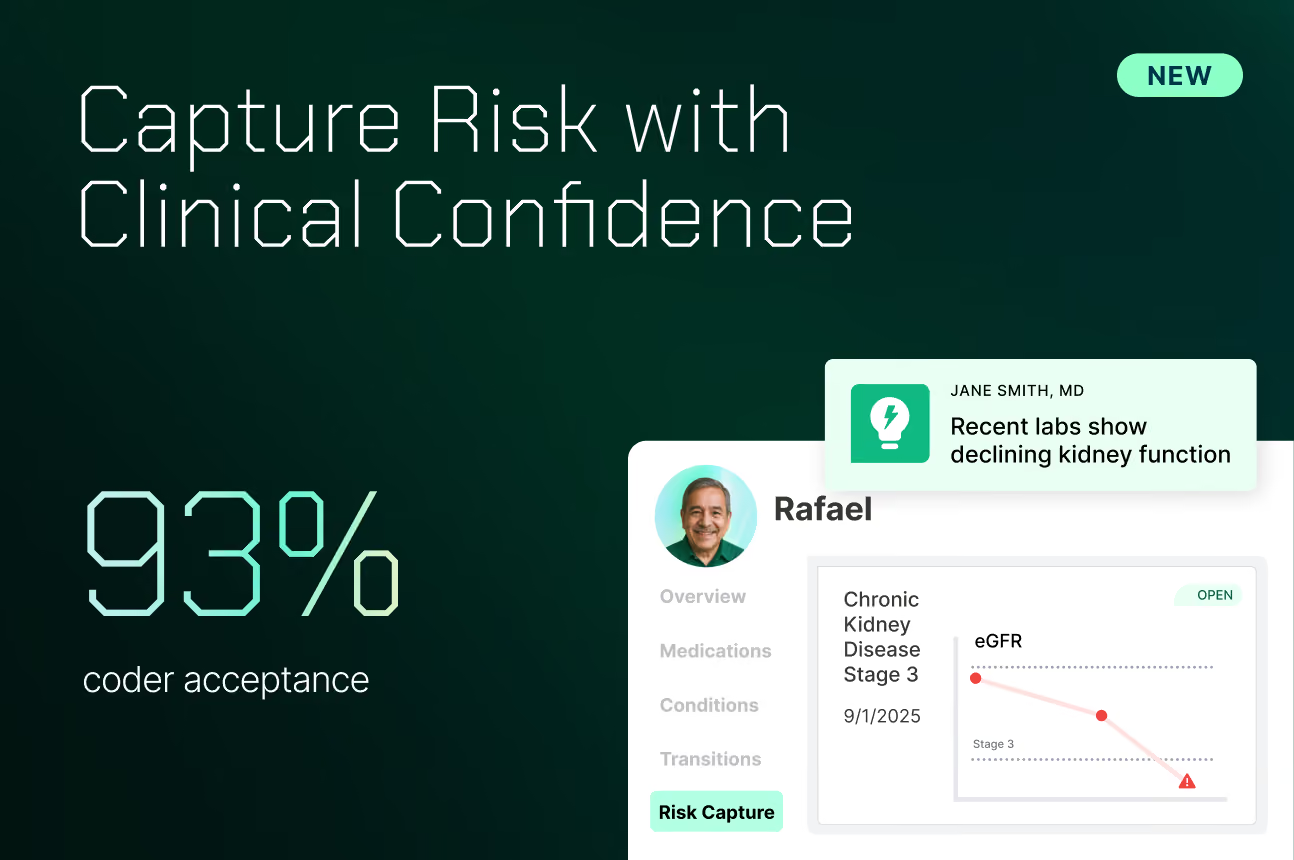
Zus Health Helps Value-Based Care Organizations Capture Accurate Risk with Intuitive, Evidence-Based Workflows
The One Big Beautiful Bill Reforms Won’t Make Medicaid More Efficient, But Common Patient Records Will
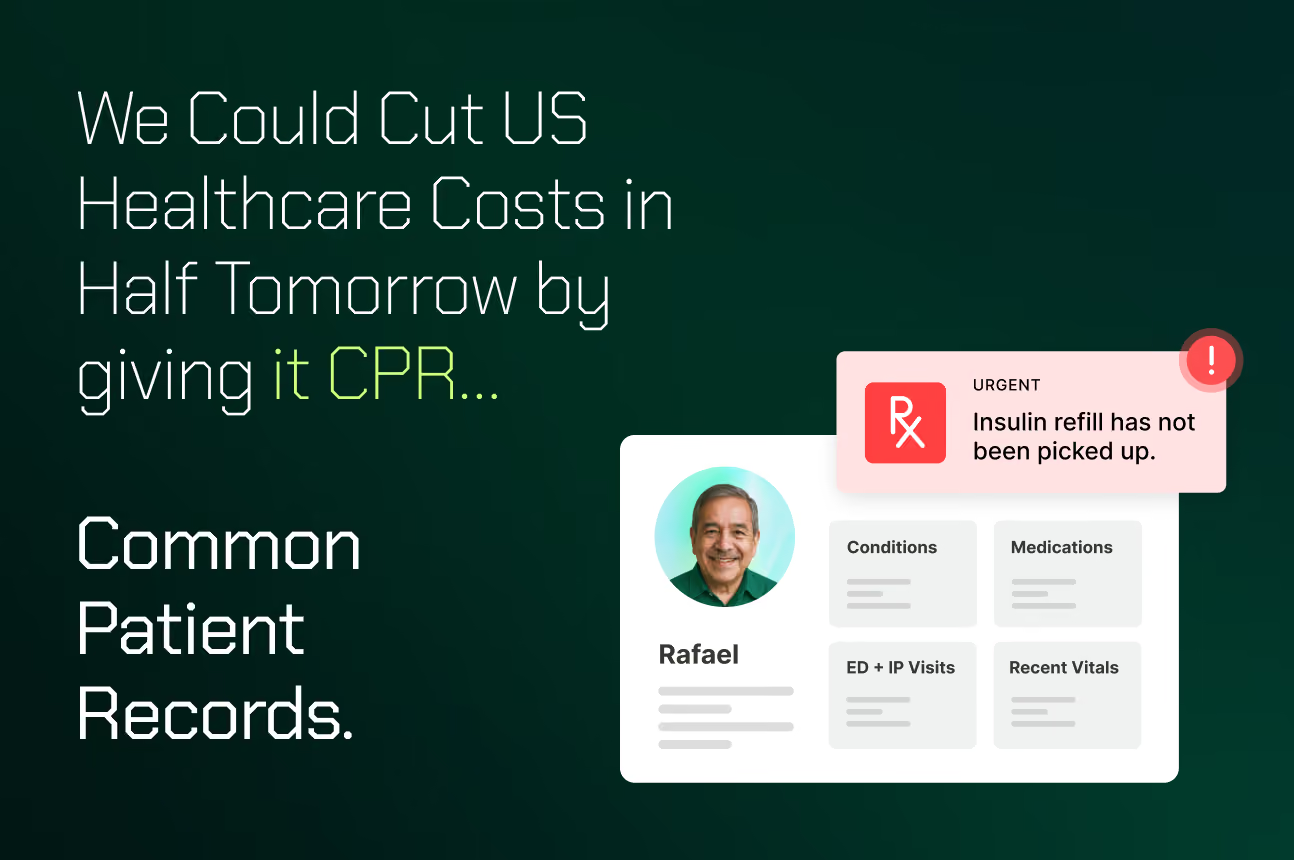
We Could Cut US Healthcare Costs in Half Tomorrow by giving it CPR…Common Patient Records.
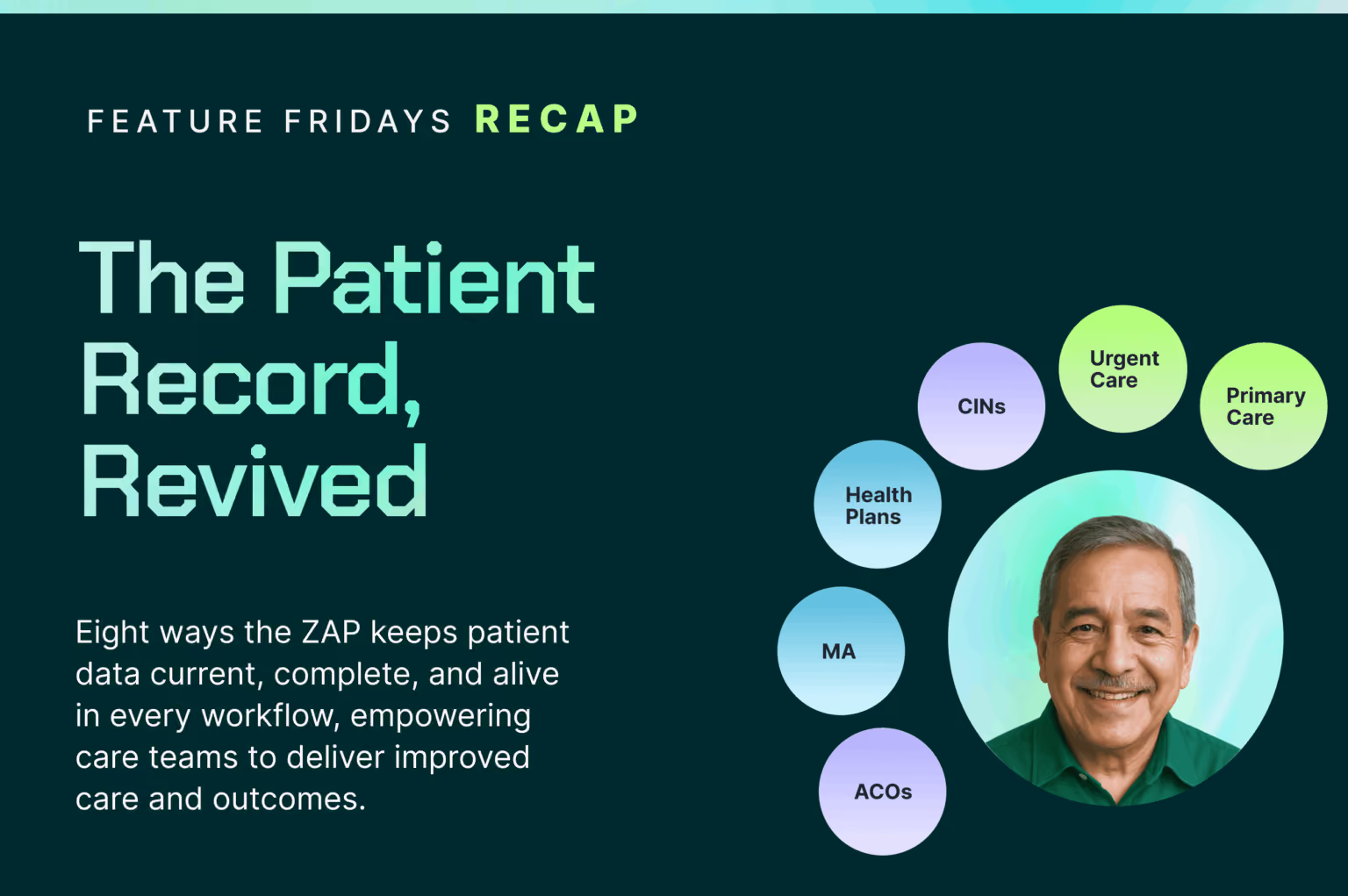
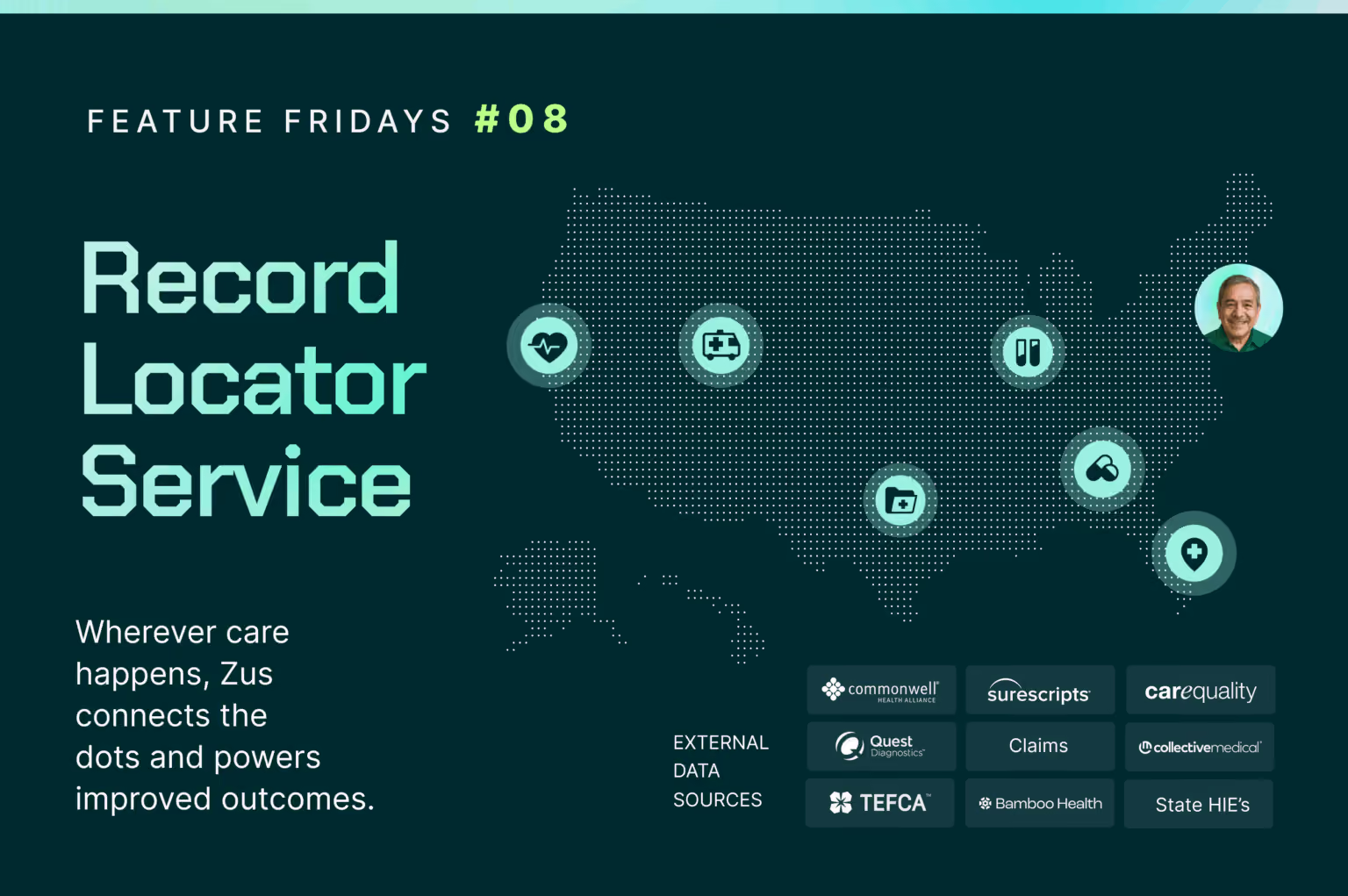
Feature Fridays: Finding the Records Others Miss with Zus’ Record Locator Service
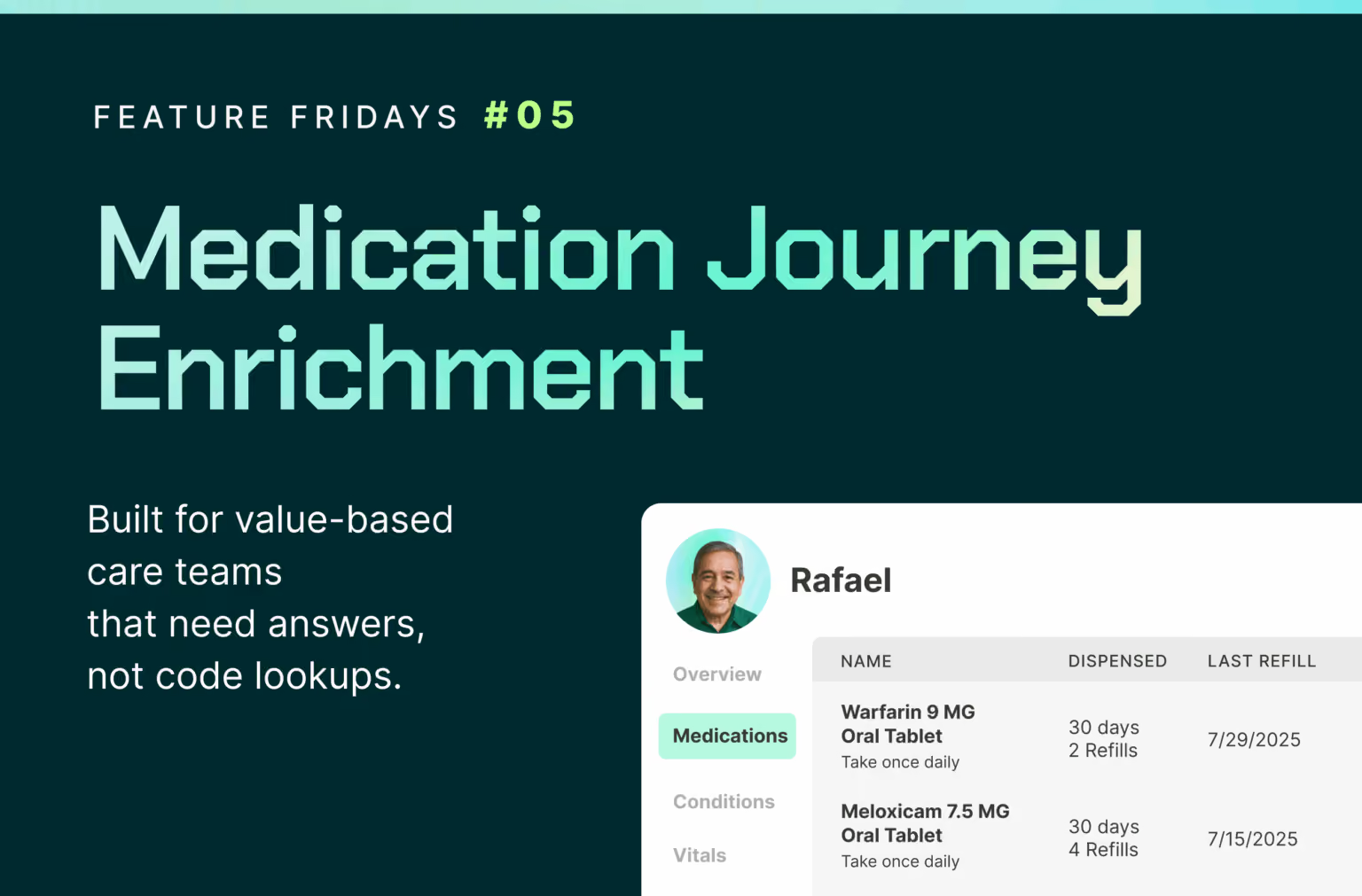
Feature Fridays: Making Medication Management Smarter with Medication Journey Enrichment
Zus Health Recognized as Early Adopter in CMS Interoperability Framework
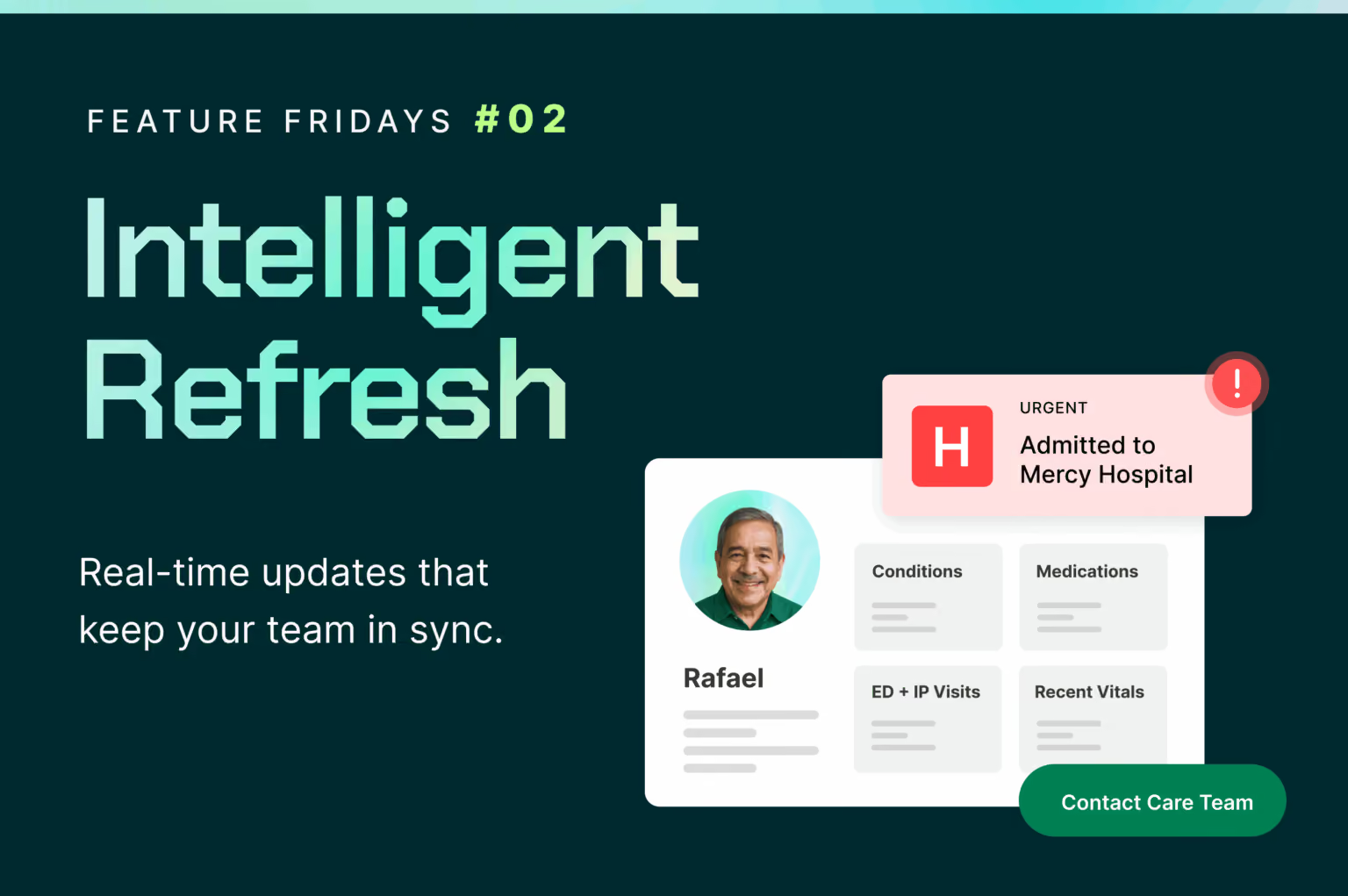
Feature Fridays: Keeping the Patient Record Always On with Intelligent Refresh
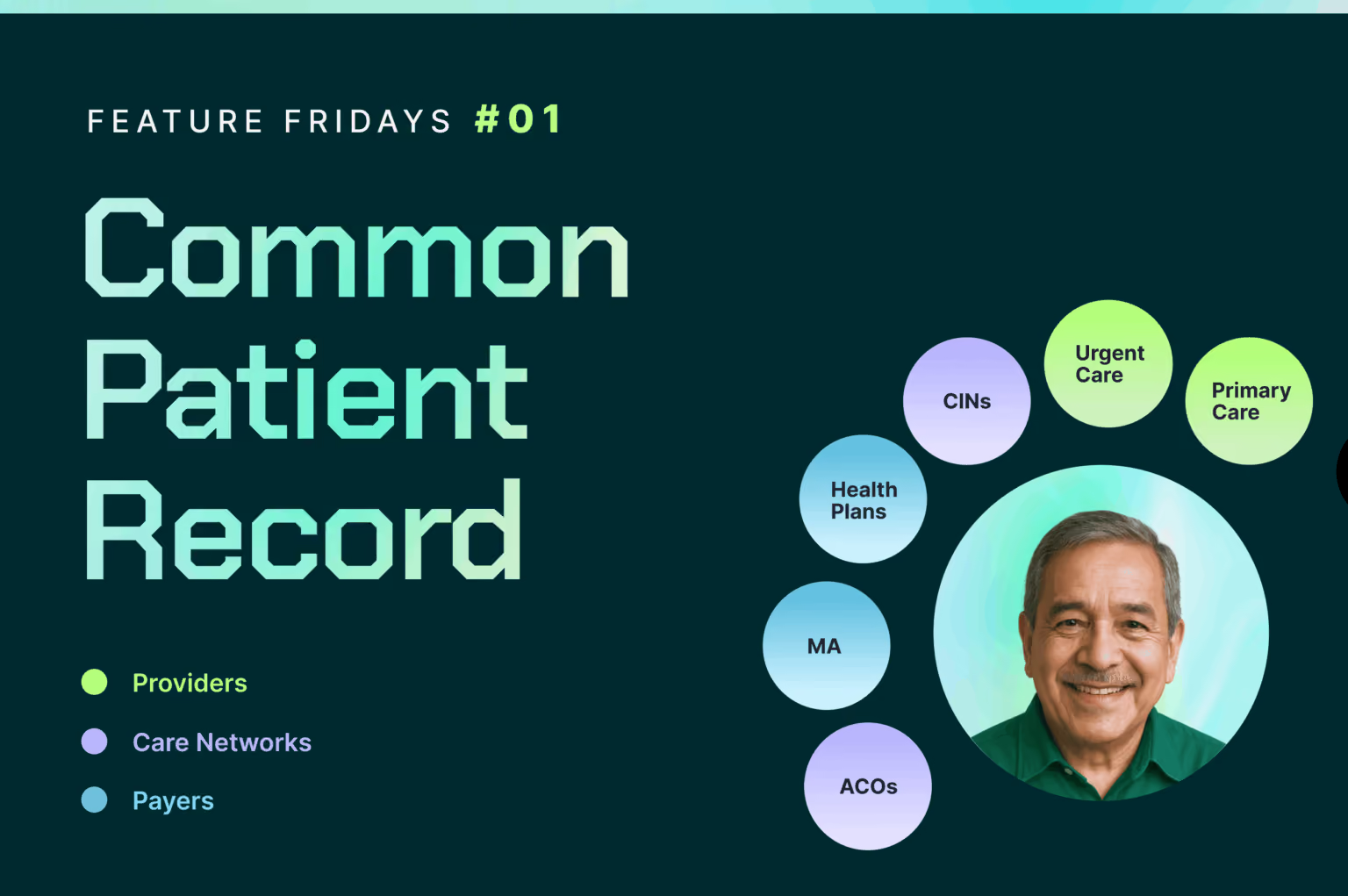
Feature Fridays: There’s a New CPR in Town that’s Changing how Care is Delivered
Feedback Zus shared with CMS: Building Smarter Infrastructure for Data-Driven Care

Pipe Dreams: Converting ADT Noise into Transitions of Care Clarity

Strengthening the Future of Value-Based Care: Reflections on Health Care Value Week

Zus Health Celebrates Unprecedented Growth, Announcing New Clients and AI-Powered Innovations


Bracing for the Presidential Election: Healthcare on the Political Divide








Zus Health Joins athenahealth's Marketplace Program to Bring Real-time Clinical Data to the Point of Care
















Zus Health Closes Financing, Signs Partnership with Elation Health, to Accelerate Growth of its Data Service to Provide Connective Tissue for Healthcare






Zus and Healthie Partner to Empower Digital Health Organizations to Access Patient Health History