

We Could Cut US Healthcare Costs in Half Tomorrow by giving it CPR…Common Patient Records.
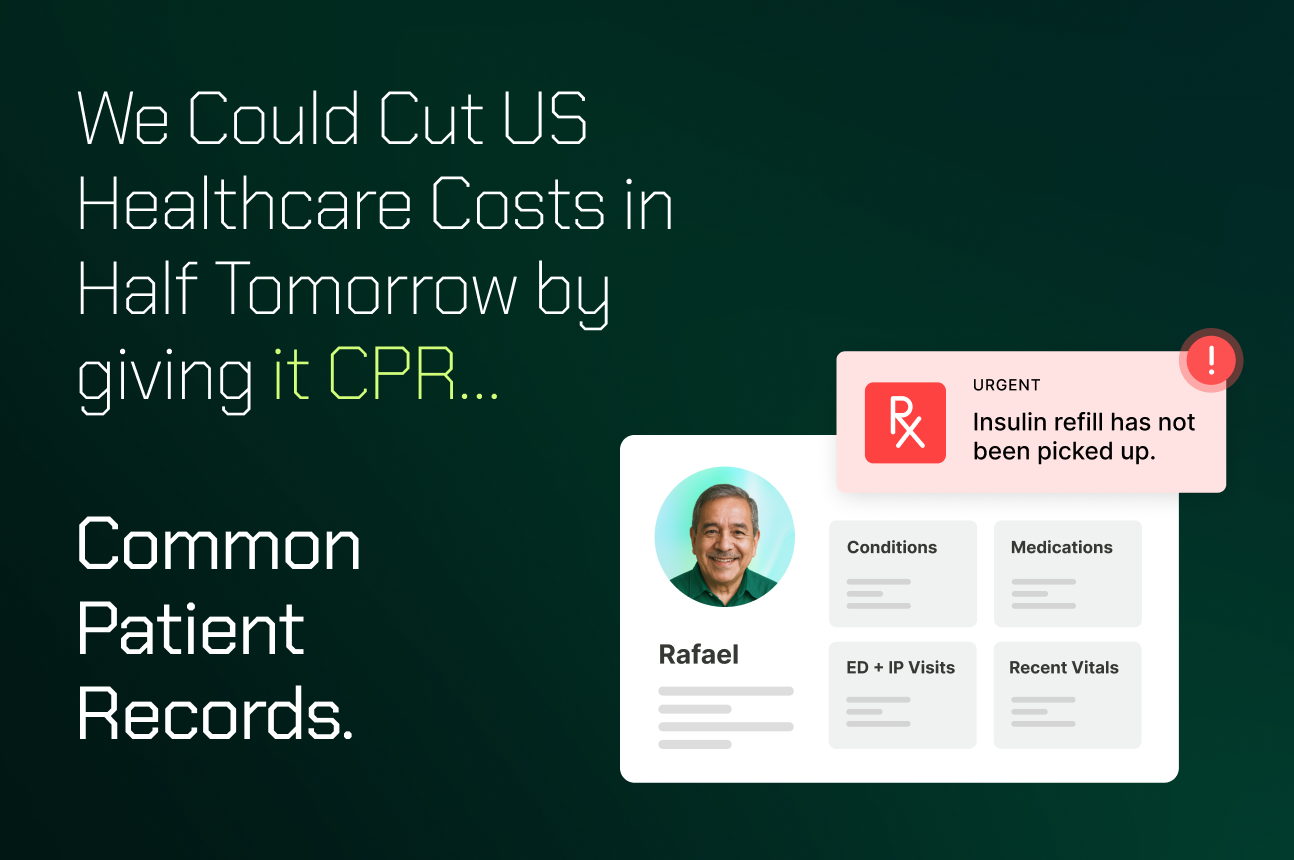
Imagine this: A doctor wants to check on their patient, who has been recently discharged from a hospital in a different system. Instead of calling and asking the patient to review their discharge paperwork, they’re able to see all the information in the EHR in real time.
The doctor can instantly see a summary of the patient’s treatment and which medications were prescribed. They’ll even get an alert if the patient doesn’t pick them up from the pharmacy on time.
What could have taken the doctor an hour of paging through records has taken a matter of minutes. And the information is accurate because they received it straight from the source — not by playing telephone with the patient.
This isn’t just less admin work for the doctor. It’s an operational shift that could save hours of practitioner time, prevent readmissions, and help eliminate redundant care.
The cost savings would be huge. That’s one reason why achieving interoperability like this is so urgent: The price of medical care has risen by 121 percent since 2000, and there are no signs that it will reverse course.
Here are some data-driven steps that healthcare organizations can take to increase interoperability and enable more efficient, longitudinal value-based care.
Let Data Flow Freely and Automatically
Patient data is currently scattered among systems, so providers don’t have access to the full picture of a patient. This siloing of data leads to all sorts of inefficiencies:
- Patients fill out duplicate paperwork with each provider they see.
- Providers repeatedly chart patient information that already exists somewhere else.
- Providers duplicate work, like calling a patient to check in on a new medication, because they can’t see that another provider has already done that task.
We need to separate the patients’ data from their bodies so that care can happen more seamlessly: We let data flow independently, regardless of patients’ locations. If your hospital could receive real-time data from other hospitals, you’d be equipped to more quickly deliver better care without these inefficiencies.
A urology specialist could add their notes into the EHR during an appointment, and the patient’s PCP would see the info right away instead of waiting days for a fax and scanning it for keywords.
A PCP could better address a patient’s questions about a medication if they could see the notes from the dermatologist who prescribed it.
By building partnerships with other healthcare organizations, you could create a system of interoperability that delivers better patient care — which is better for your bottom line.
Make Patient Data Usable
Its one thing to find the data on a patient (no small either) but making it all make sense is entirely another. Our goal is to create an always-on, comprehensive, and holistic image of a patient’s information that can be instantly seen by anyone who needs it. This means sussing out where patients go and aggregating data from those places AND reading it all in order to put it into a single picture that is easy for providers (and even the patients themselves) to use. If you just get all the data, you are at the risk of having a white noise overload.
Jeff, a PA at Homeward Health, saw firsthand how this plays out with our Generated Patient Summary (GPS), which uses AI to translate patient data into user-friendly summaries. Instead of searching patient records and writing notes by hand, he reviewed the GPS, saving 20 to 30 minutes of prep work for each appointment. That’s not a feature, that’s a miracle. In healthcare, 30 minutes saved is the difference between treating more patients or drowning in more paperwork.
To get to this level of interoperability, providers need not only access to data but also a way to clean and organize it, so it’s useful to the average user. There’s no shortage of data in healthcare, and making sense of all that raw information can be overwhelming.
Information needs to be matched to patients, records need to be deduplicated, and the data needs to be made searchable.
That’s what we do. Zus applies cleansing and terminology crosswalk to standardize data, eliminating months of manual work. We then apply clinical logic to organize each data type by relevance, optimizing it for quick retrieval.
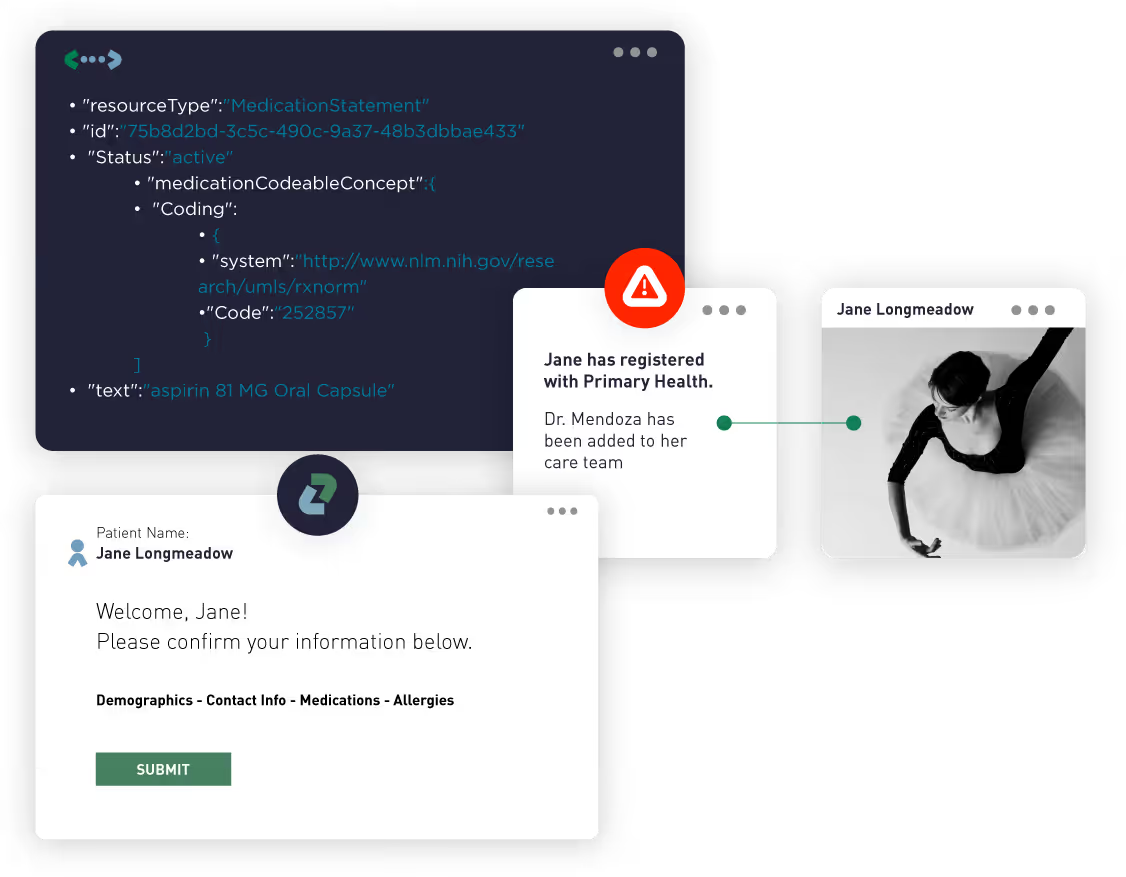
Clean and organized data is what makes Zus’ common patient record (CPR) — an always-on view of a patient’s history — possible. CPR organizes and reconciles data across sources so that every provider is looking at one clean, cohesive, and compliant record.
Streamline Risk Stratification With Data-Backed Workflows
Now that the finding (we call it “Freshmaking” and the crunching (we call it “Sensemaking”) is done, value can be made through the creation of Workflows; job doing routines..
Your providers only have so much time to spend on patient follow-up each day. When they’re staring at a to-do list that’s far too long, how do they prioritize their time? They might have 25 patients they’re supposed to follow up with, but only two are actually at high risk of an adverse event like medication interactions or a hospital readmission.
Without the right information, providers have no way of knowing who those two patients are. With accessible, real-time data, they can determine which patients would most benefit from follow-up.
Providers can be confident that they’re investing their time effectively because, in a value-based care system, these preventative measures will keep the overall cost of care lower.
When you organize workflows around data, you’re not just coding information in the EHR but trying to identify conditions and risk factors. Data might show that a patient is at a high risk for diabetes, so their PCP can proactively discuss prevention with them at their next check-up.
On a larger scale, data can illuminate trends, like health disparities in a community.
For example, your hospital may notice an increasing rate of mental health-related admissions for men under age 30. PCPs can then prioritize talking to young male patients about mental health resources.
Restructuring your workflows around data is a crucial step to achieving interoperability that can lower healthcare spending and improve patient outcomes.
Interoperability Will Streamline the Delivery of Value-Based Care – AND make it more about CARE!
Value-based healthcare aims to reward providers for delivering healthy outcomes, but today most VBC activity is around using claims to drive up codes that then drive up revenue. It’s way too little about actually managing care and that is about to change.
It’s hard for providers to determine what care would be most effective if they don’t have a full picture of their patients’ medical histories. Now that there is “Fresh Making” (see Zus Intelligent Refresh, for how we make data ‘fresh,’) and “Sense Making” (See Zus Condition Enrichment, for how we make ‘sense’ out of the data, and workflows, provider focus can go to assessment and navigation! What is the best next step for this patient and where is the best place for that to happen?
The default answer to both of those questions today is THE EMERGENCY ROOM. Most of the time, that is the LEAST patient friendly and LEAST cost effective answer. In a world with real-time common patient records like ours, that will change. Emergency rooms will still be around…but for emergencies! Go figure!

Explore the latest content from Zus
Explore articles, case studies, succes stories and insights on modern health care.

Zus Health Achieves HITRUST r2 Certification, Demonstrating Commitment to Cybersecurity and Information Protection

No Second Chances: How Zus Helps Providers Use AI to Get Risk Capture Right the First Time
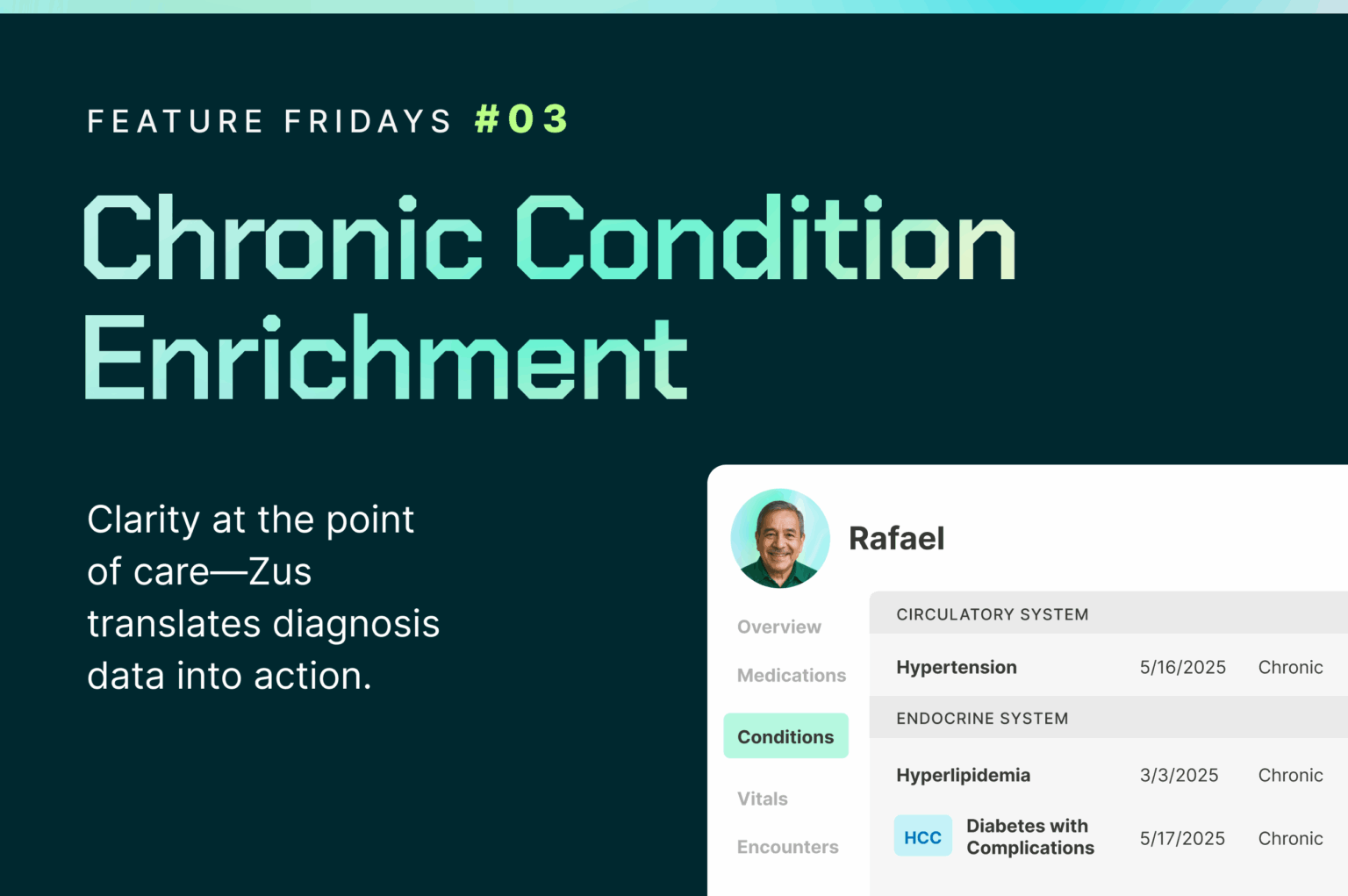
Feature Fridays: Turning Condition Chaos into Clinical Clarity for Improved Care
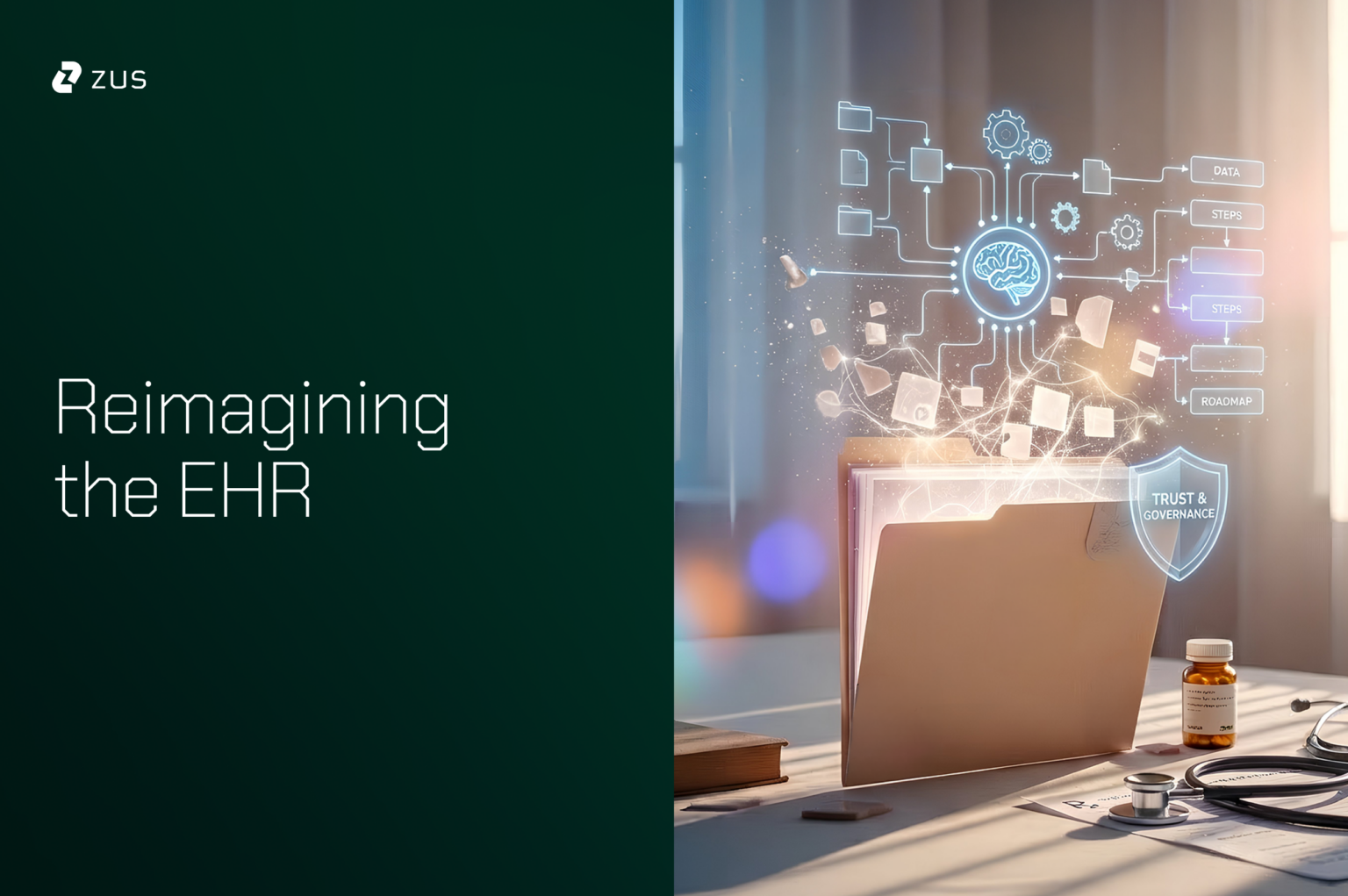
Reimagining the EHR: From System of Record to System of Orchestration

The End of Retrospective Risk Adjustment: Why Prospective Coding Is the New Standard
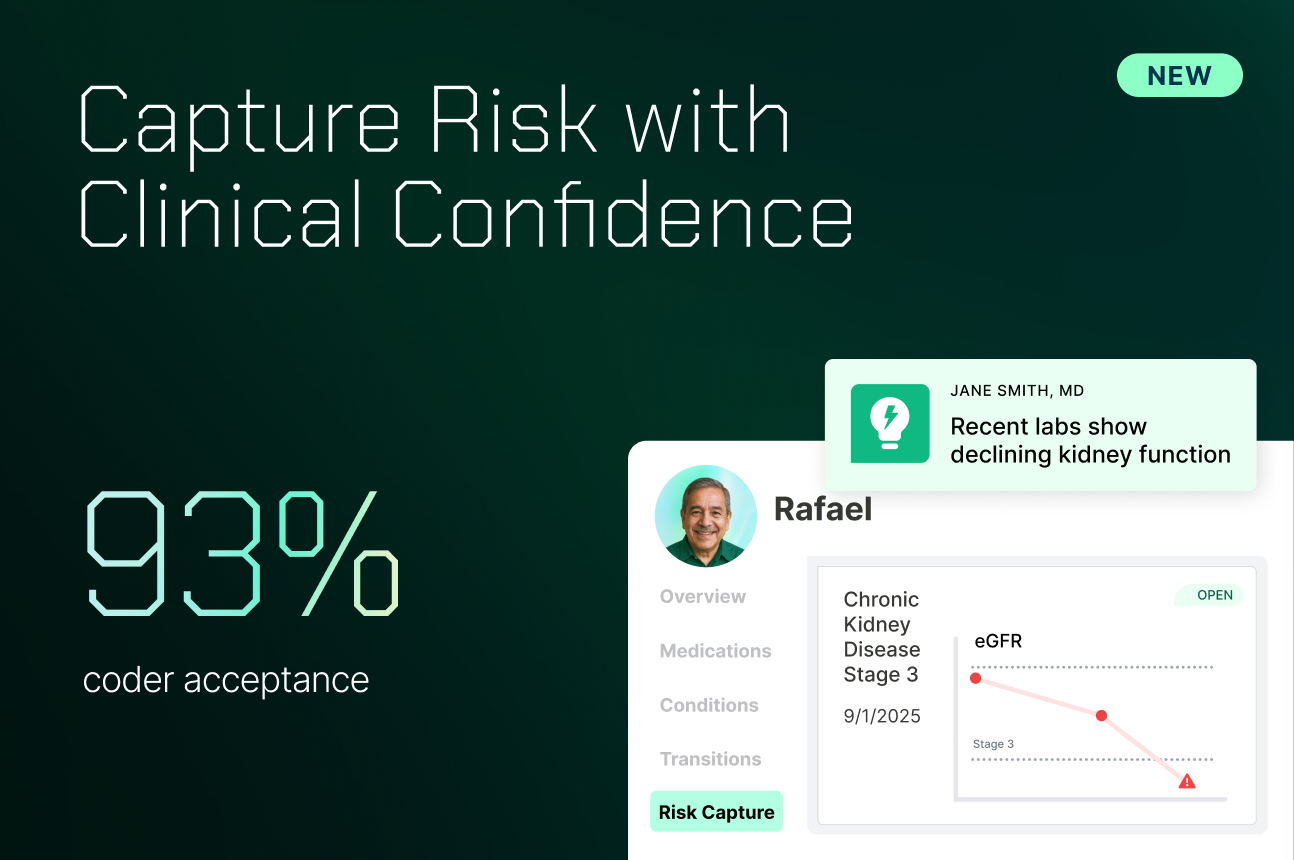
Zus Health Helps Value-Based Care Organizations Capture Accurate Risk with Intuitive, Evidence-Based Workflows
The One Big Beautiful Bill Reforms Won’t Make Medicaid More Efficient, But Common Patient Records Will
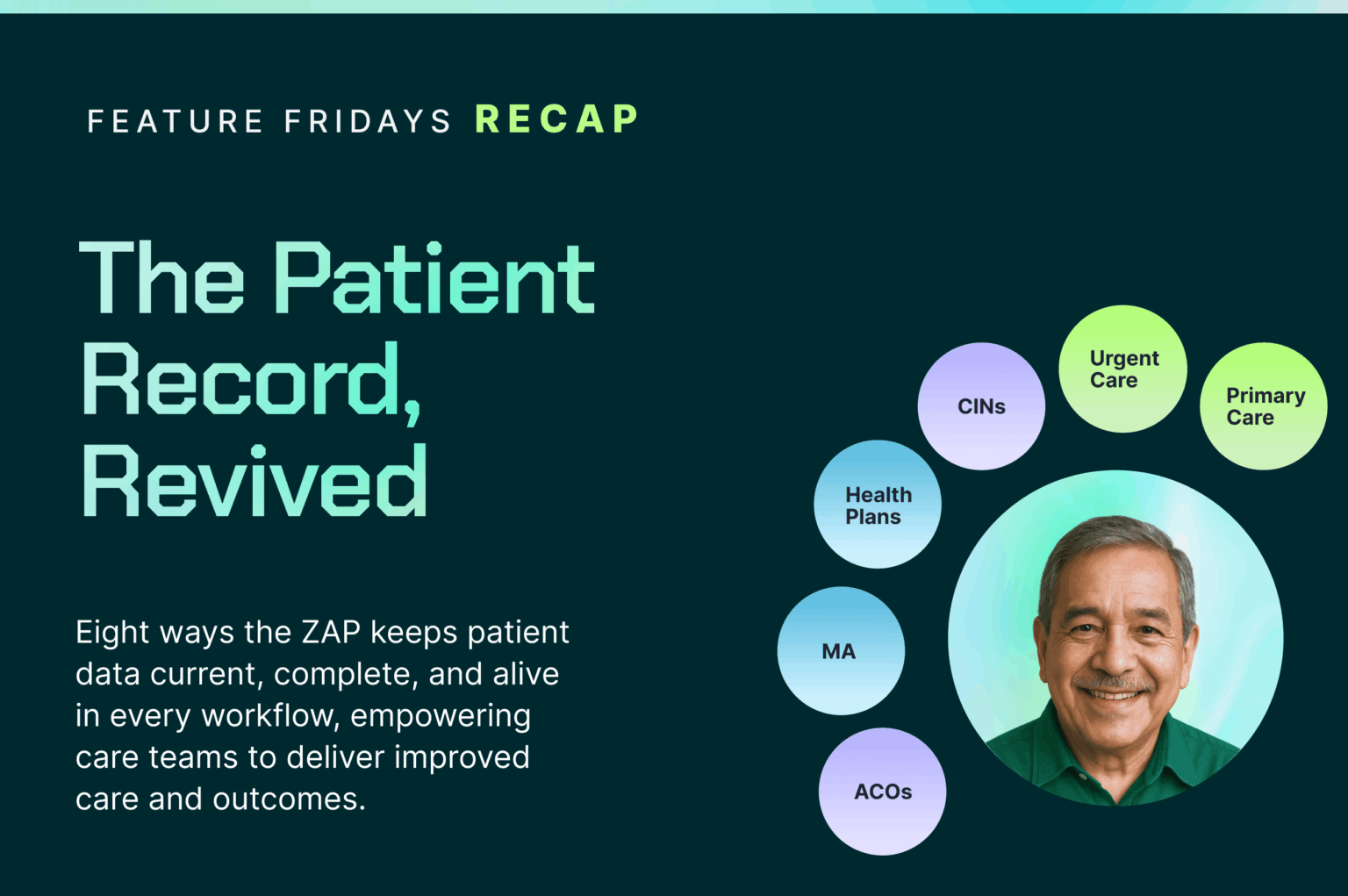
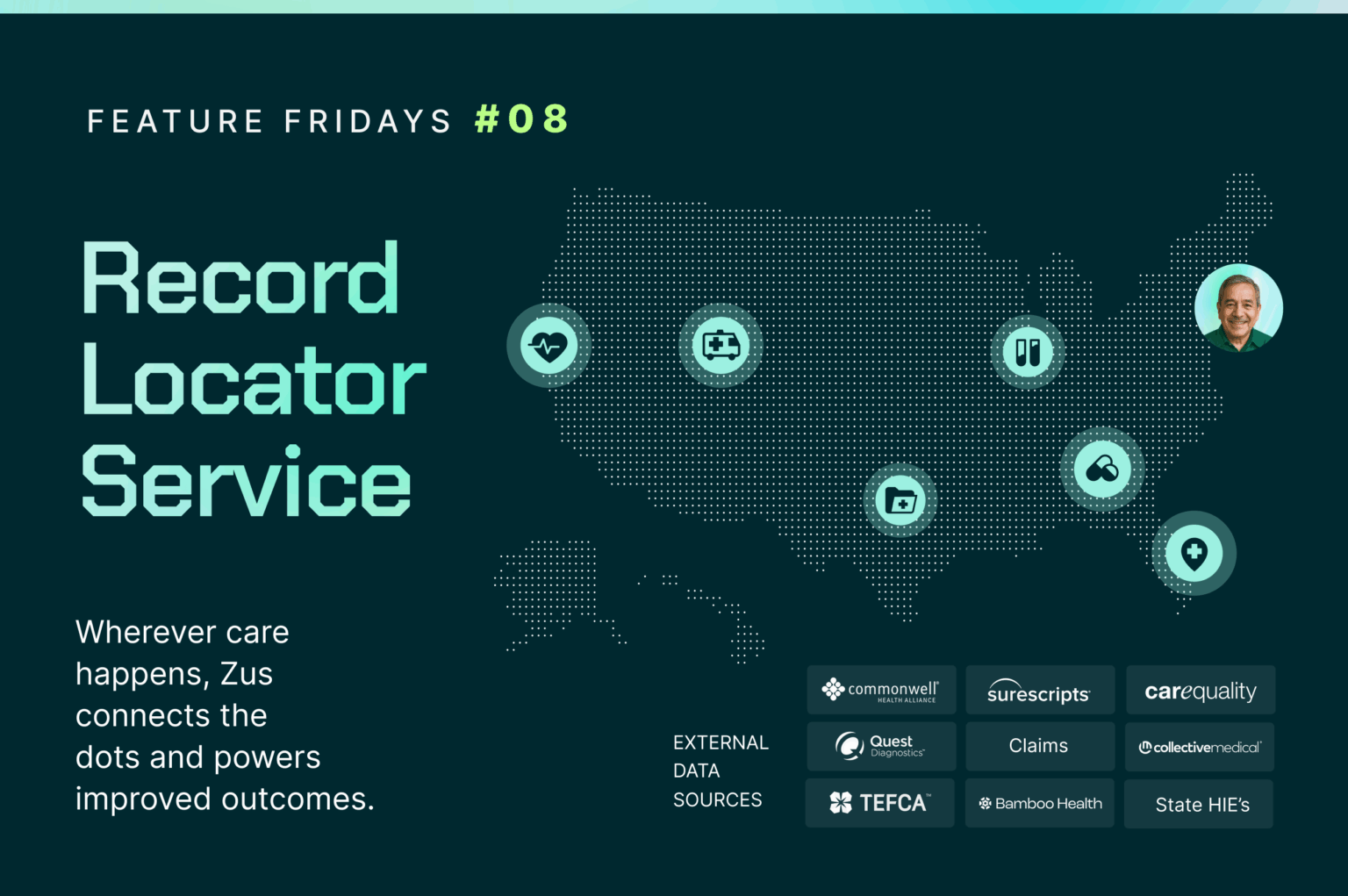
Feature Fridays: Finding the Records Others Miss with Zus’ Record Locator Service
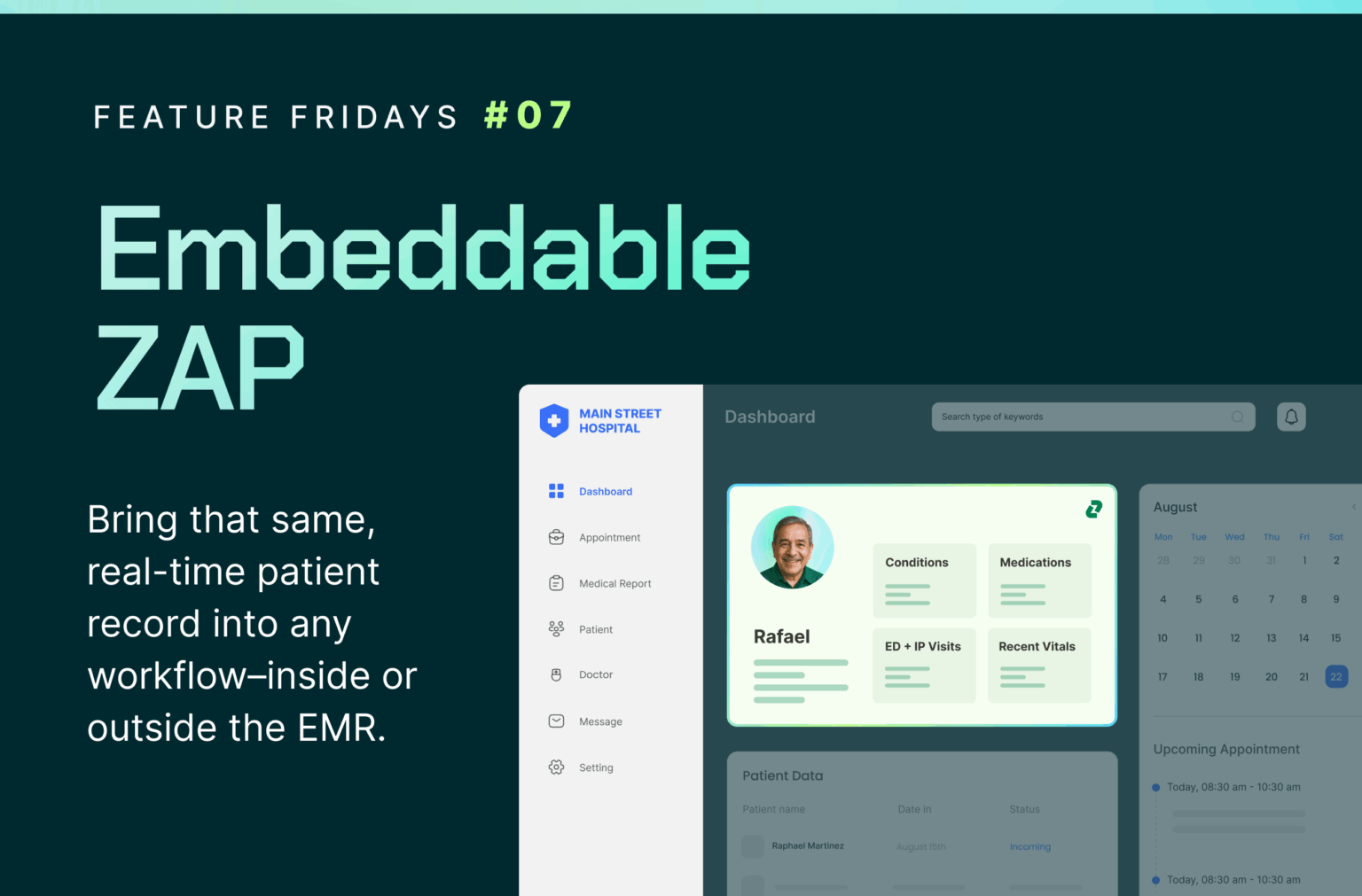
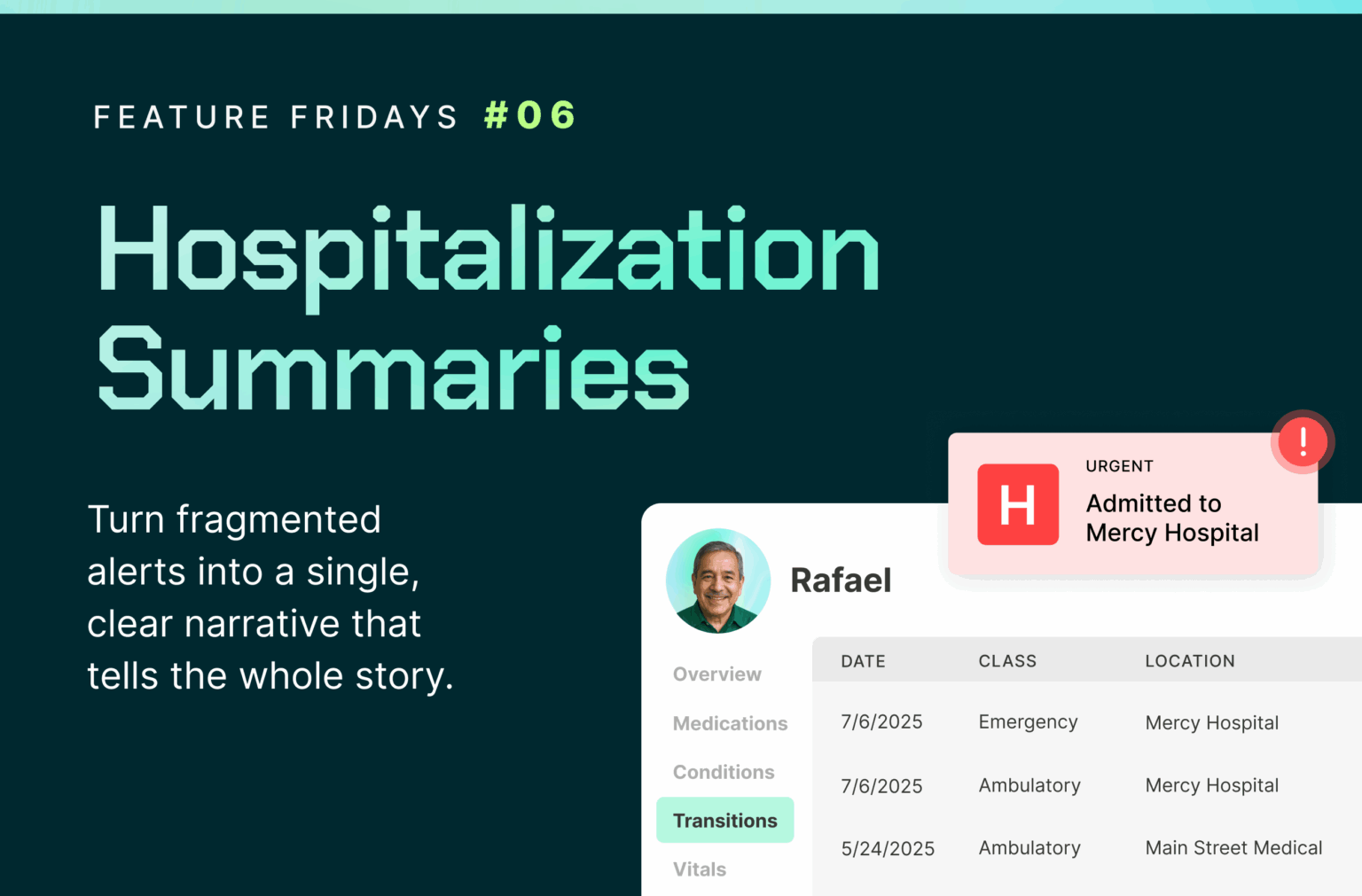
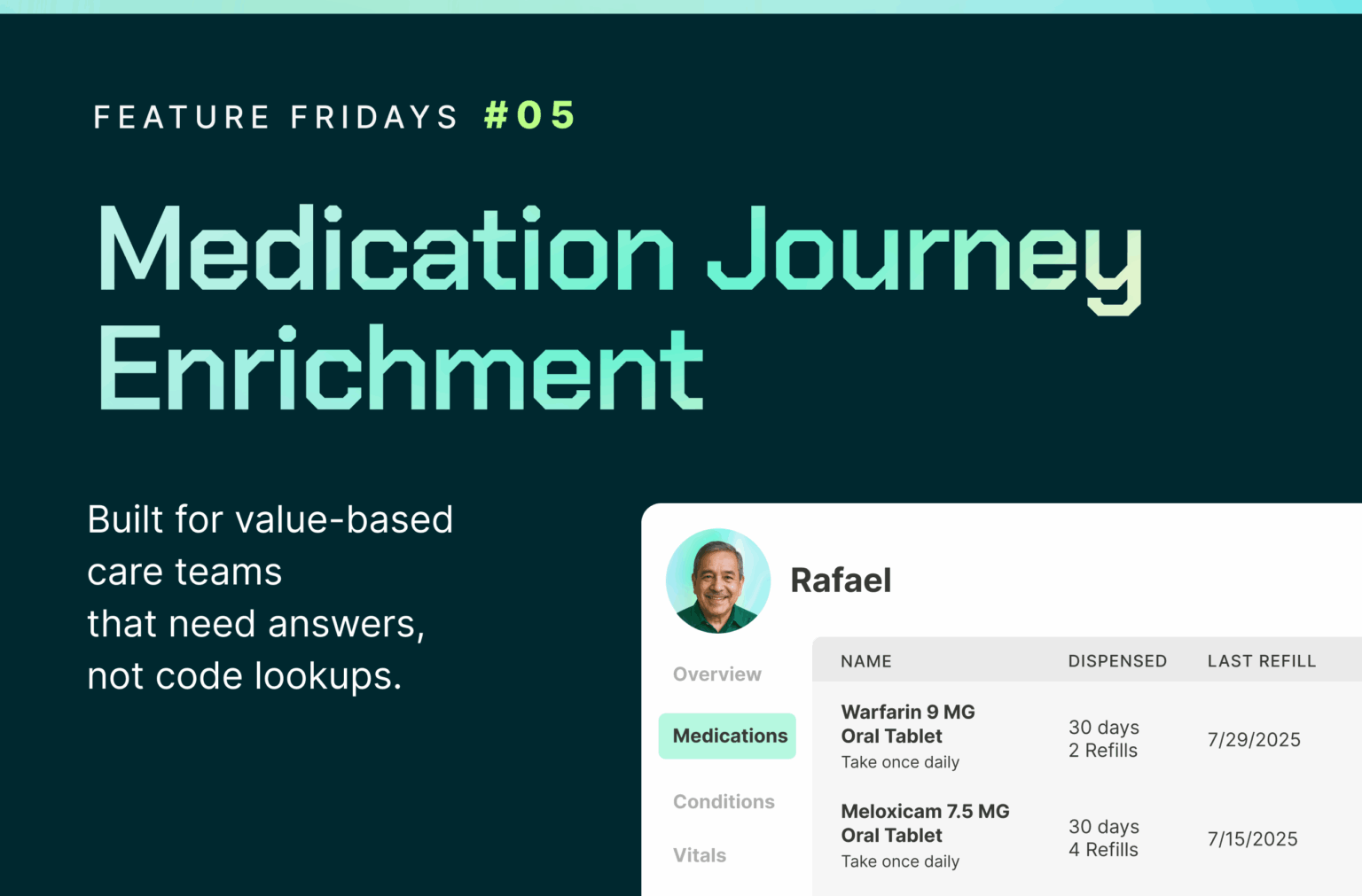
Feature Fridays: Making Medication Management Smarter with Medication Journey Enrichment
Zus Health Recognized as Early Adopter in CMS Interoperability Framework
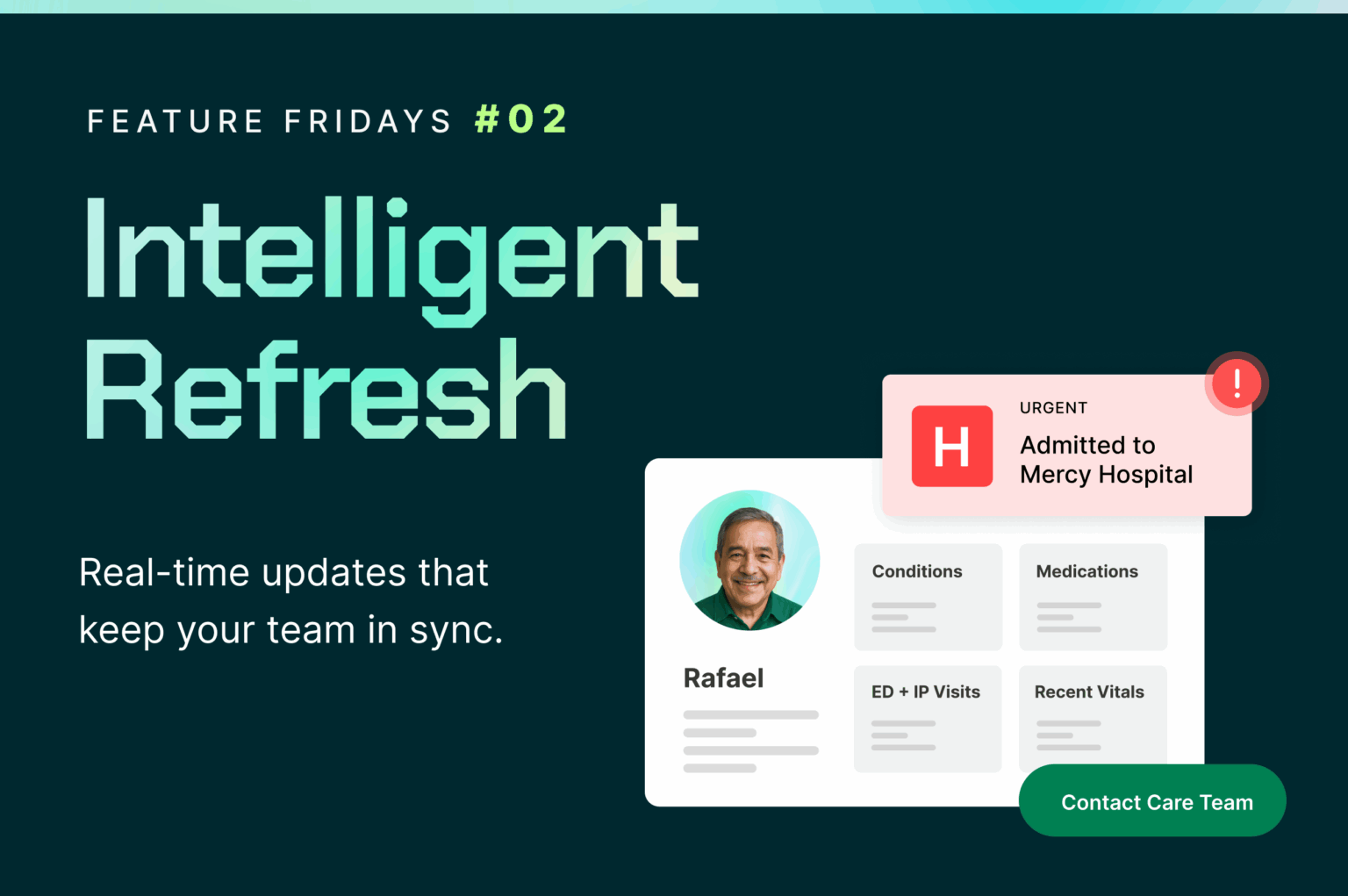
Feature Fridays: Keeping the Patient Record Always On with Intelligent Refresh
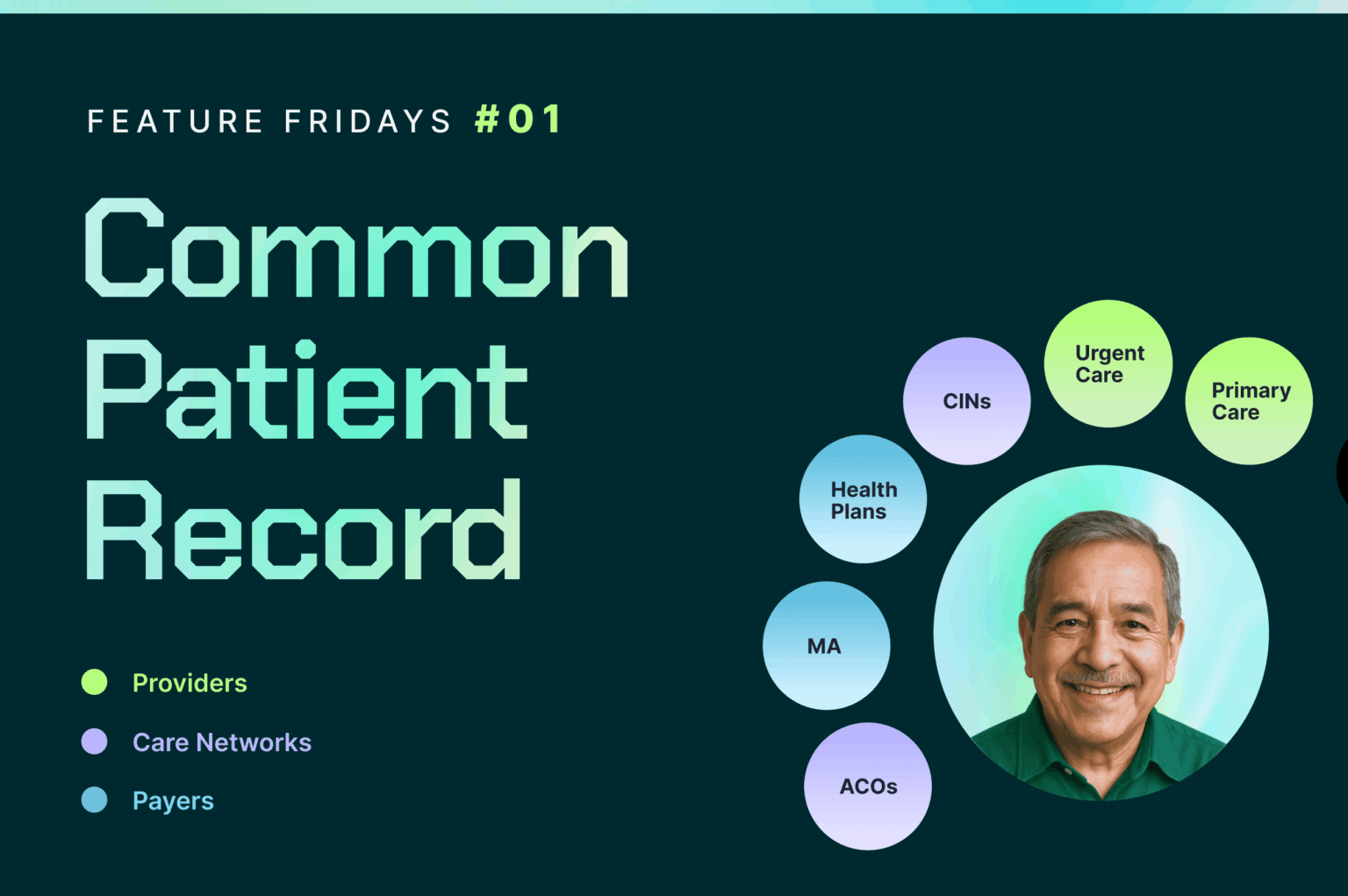
Feature Fridays: There’s a New CPR in Town that’s Changing how Care is Delivered
Feedback Zus shared with CMS: Building Smarter Infrastructure for Data-Driven Care


Pipe Dreams: Converting ADT Noise into Transitions of Care Clarity
Strengthening the Future of Value-Based Care: Reflections on Health Care Value Week

Zus Health Celebrates Unprecedented Growth, Announcing New Clients and AI-Powered Innovations


Bracing for the Presidential Election: Healthcare on the Political Divide







Zus Health Joins athenahealth's Marketplace Program to Bring Real-time Clinical Data to the Point of Care
















Zus Health Closes Financing, Signs Partnership with Elation Health, to Accelerate Growth of its Data Service to Provide Connective Tissue for Healthcare









Zus and Healthie Partner to Empower Digital Health Organizations to Access Patient Health History