


The life-giving of a down market

The experts often say that necessity is the mother of invention.
Of course, those experts perhaps have not been around the past decade. We have been riding the up-and-to-the-right roller coaster climb in a money printing, zero interest, federally stimulated orgy of plenty. As a result, we have had a ton of invention, innovation, and progress. Just in our little world of digital health, we spawned a swarm of over 4 thousand companies over this time frame. We have seen a terrific explosion in companies that can do better than our status quo, fee-for-service, disorganized medicine in all manners of chronic disease — mostly by inserting some kind of “always-on” digital access layer between the patient and the rare/expensive thing (doctor? drug?). And that’s the companies, not the inventions (please god, let there be more than one invention in a company!).
So what gives? Is the saying wrong? Certainly the definition of “invention” needs tightening.
Call me old-school, but I think that it’s not a real invention until it pays for itself. It needs to clean itself up and reproduce to be a real invention. In an environment of nearly infinite access to capital, it’s sometimes hard to force yourself to assess exactly what’s working, make the hard decisions, and cut your losses to turn your invention into something that actually makes money. I have seen tech valuations that would make an oil heir blush over the last few years and, with them, business and product leaders who think they are working hard enough and being hard enough on themselves. They don’t make themselves push through partnerships with others. They don’t get angry or obsessive when product progress is slow. They don’t fire anyone. Necessity may not be the strict mother of all inventions, but it definitely is the mother of the hard push. Push the product, push the business model, push the team, and push thyself. It’s actually exciting to see what teams are capable of when truly pushed, but few people want to be the pusher — we do better with a bad guy as backup. Recessions make for the most terrific bad guys. It’s truly nothing personal. You can’t lobby against it or get around it. It’s easier for everyone to push a little harder, be a little more flexible, and make miracles happen.
For teams that do make those miracles happen, there is also the entirely unintuitive fact that many, many things actually get easier in recessions.
First of course, let me note that a recession in which people lose jobs and incomes is unambiguously a bad thing that disproportionately affects those with fewer resources, and that the market should strive to avoid. If we get to a point, however, where we are on the precipice (or at the start) of this downturn already, companies in our little digital health world have an opportunity to really refocus their efforts on what matters and in the process help reallocate the talent pool, rather than watch it shrink.
I think it goes like this: First capital retracts. Enough people see enough bad news on their equity that they also pull back. When others see pull-backs around them, the ripple effect compounds. It’s rarely rational — it’s a herd instinct, sometimes correct but as often lemmings following the leader.
This pullback of capital means, by definition, that capital raises do not get easier. Many companies that in that particular instant need money to survive, will die. It could be that they are weak companies but it also could be that their luck on timing was unfortunate, needing capital on the wrong day. Either way, good or bad, the herd is thinned.
Now two new things happen: new talent is released all at once into the market and demand for solutions to problems goes unmet!
What happens next? Hiring gets easier AND so do sales!
Unemployment in our space has been negative for the past four years. The number of open positions has exceeded the number of people at any given skill and price point! This is why we digital folks saw inflation so much earlier than the poor old Federal Reserve. We were looking at the engineers and designers in front of the tip of the spear and they were looking at the groceries and gas way at the back of the shaft. ANYWAY, tragic as mass extermination of companies that happen to need cash during a contraction may be, it does release badly needed talent…and ease its inflated price point
Selling then gets easier, as the chaff is separated from the wheat and the signal of a good product is more clearly distinguished from the noise of imposters. This is not true for all products in a recession, I grant you. Just as capital recedes, so does disposable income. Thus, if you happen to have the greatest disposable income-consuming product in the world, you are going to hurt as demand decreases. However, healthcare is not often such a product. It’s a series of services tied to a single fixed entitlement. These are typically the last things to go in a recession. Beyond that, people who can make that total fixed entitlement cost go down have a MUCH better time.
Competition thins out, leading to renewed focus on positive feedback loops and less rearview mirror gawking. At Zus, one of our core values is “belief in plenty”. It refers to an age-old tragic flaw of healthcare companies where they hyperfixate on competitors, emergent entrants, and nascent rivals and thus underfocus on the absurdly vast opportunity that characterizes so much of healthcare. In educational sessions on building healthcare businesses, I always suggest taking a crappy job to do that someone else has to do but that they will never win by doing well, and CRUSHING it. Start by doing it at a loss if you have to, but get enough of the problem into your slice of the operational ledger so that as you invest more technology and achieve process mastery, you can carve your own margins into what is impossibly cheap for your customers. This work is best done in partnership with early customers, not in a Hobbesian state of nature where you are always wondering if a competitor will undercut you. In a pull back, you can dig into a problem longer and with more undivided attention.
Most interestingly (and this may take a while), emotional conditions improve! If you are doing all of the above and are finding your place in the new market, that success is infectious and those wins are a virtuous cycle. Your product helps your customers at a time they need it most, which strengthens your relationship. Those customers are further comforted by your ability to weather the storm, renewing confidence in you as a partner. Your team recognizes and celebrates the successes far more easily than they can in an environment of infinite plenty. Valuing the work, the team, and the things accomplished in front of you is easier without the infinite multiverse of possibility available and when the line between success and failure is so viscerally clear. When unemployment is an impossible 3.2%, there is no gratitude for having a job…literally everyone with a pulse has one. When things tighten up, perspective creeps in and you see what you have in a different light; and with a different level of “fixer-upper” creativity. Where it isn’t what you want, you dig in more to make it so rather than skip over to greener-seeming grass (it ain’t).
Needless to say, no one wishes a contraction on anyone. It’s a tough chapter — lots of perfectly wonderful companies and ideas and jobs get washed away in the unpredictable, unanticipate-able exigencies of the moment. But there is this silver lining, and if we are going to go through a recession (which I would bet my Zus stock on), best to get in now and start makin’ that lemonade.
Featured photo by Francesco Gallarotti on Unsplash

Explore the latest content from Zus
Explore articles, case studies, succes stories and insights on modern health care.


Zus Health Achieves HITRUST r2 Certification, Demonstrating Commitment to Cybersecurity and Information Protection

No Second Chances: How Zus Helps Providers Use AI to Get Risk Capture Right the First Time

Feature Fridays: Turning Condition Chaos into Clinical Clarity for Improved Care

Reimagining the EHR: From System of Record to System of Orchestration

The End of Retrospective Risk Adjustment: Why Prospective Coding Is the New Standard
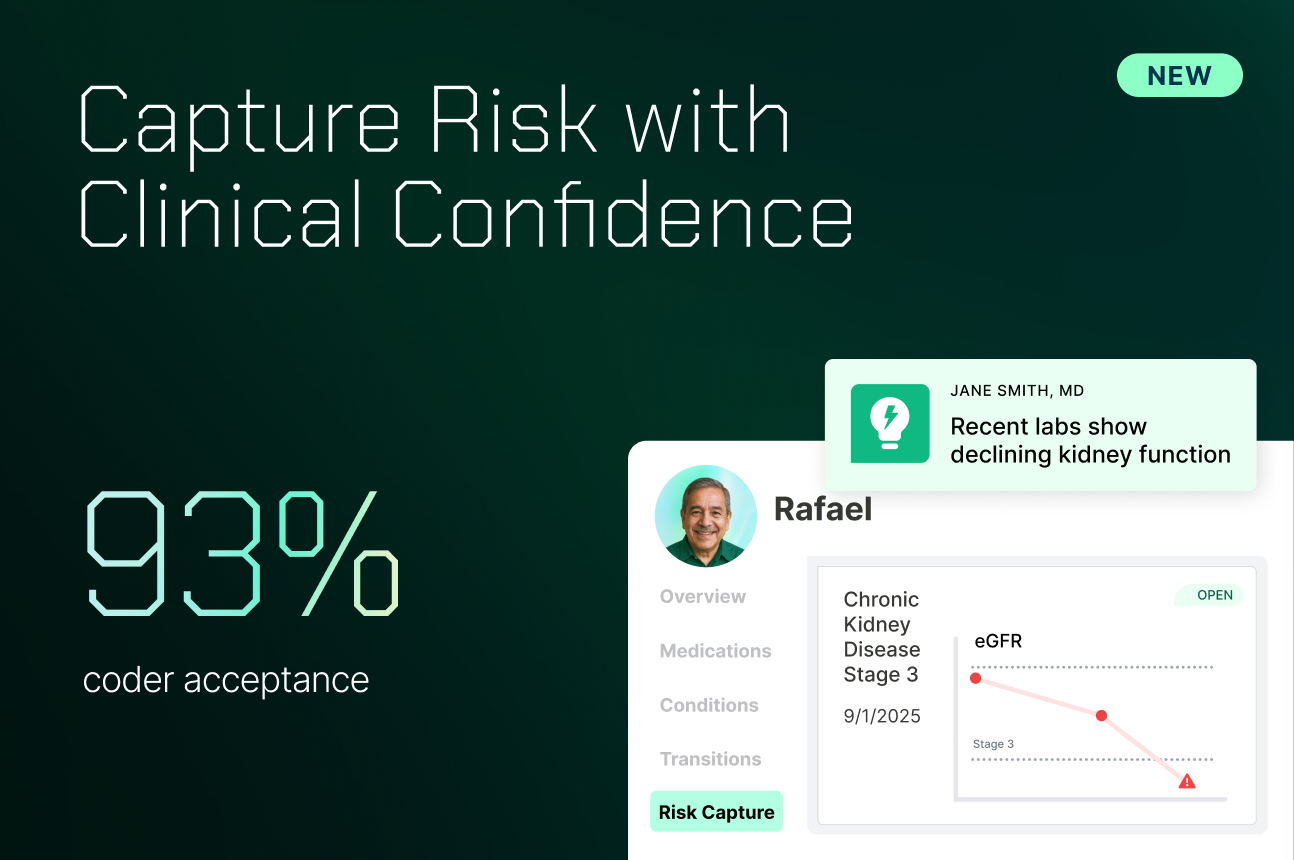
Zus Health Helps Value-Based Care Organizations Capture Accurate Risk with Intuitive, Evidence-Based Workflows

The One Big Beautiful Bill Reforms Won’t Make Medicaid More Efficient, But Common Patient Records Will
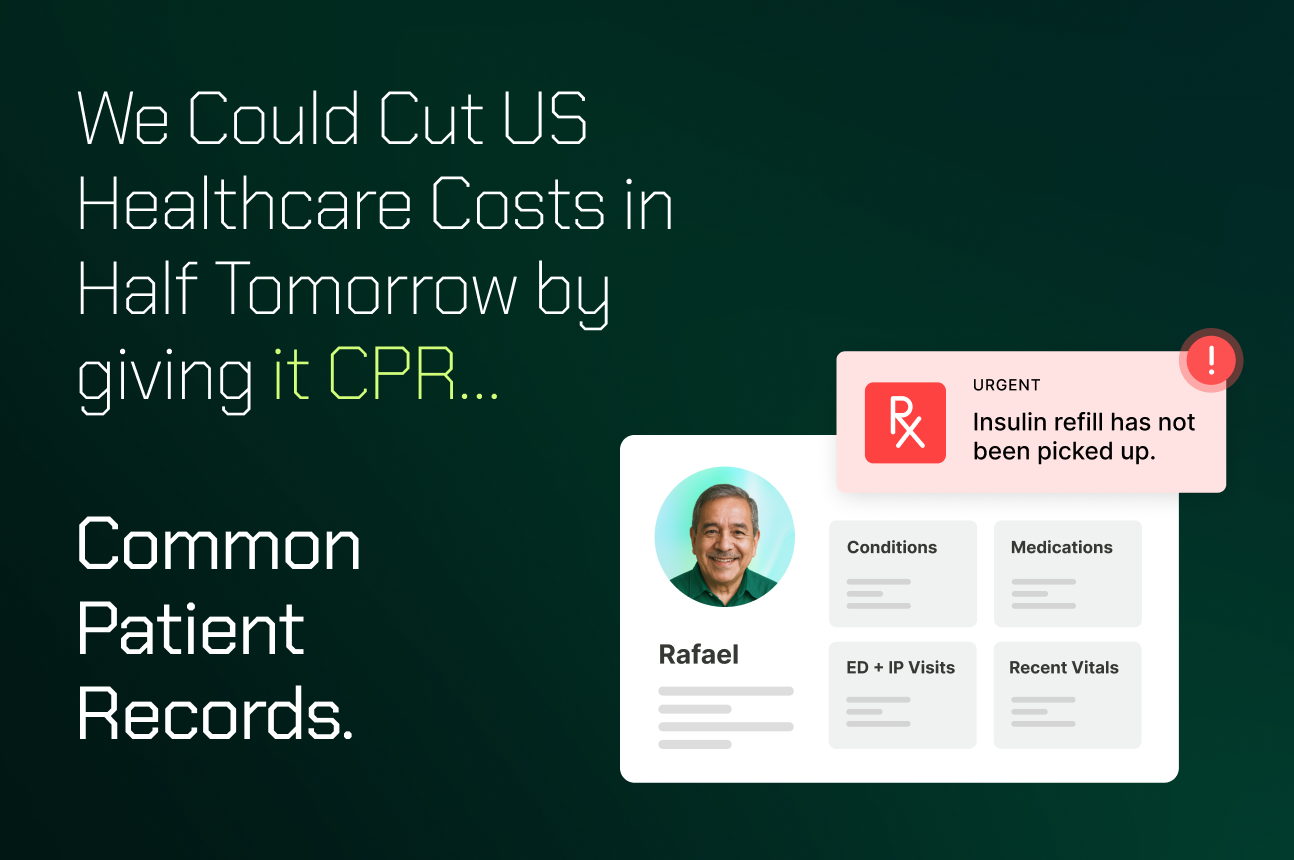
We Could Cut US Healthcare Costs in Half Tomorrow by giving it CPR…Common Patient Records.

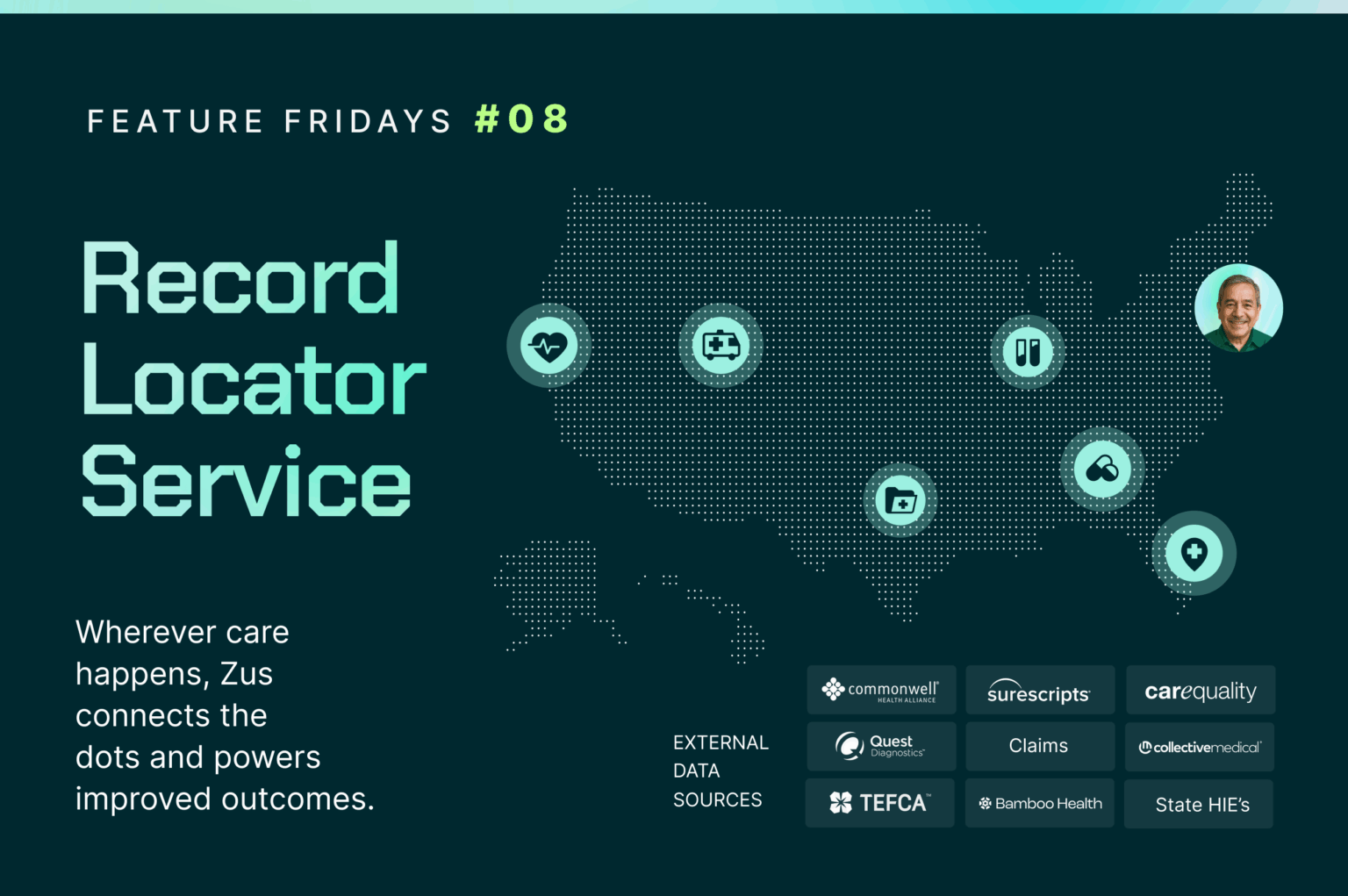
Feature Fridays: Finding the Records Others Miss with Zus’ Record Locator Service


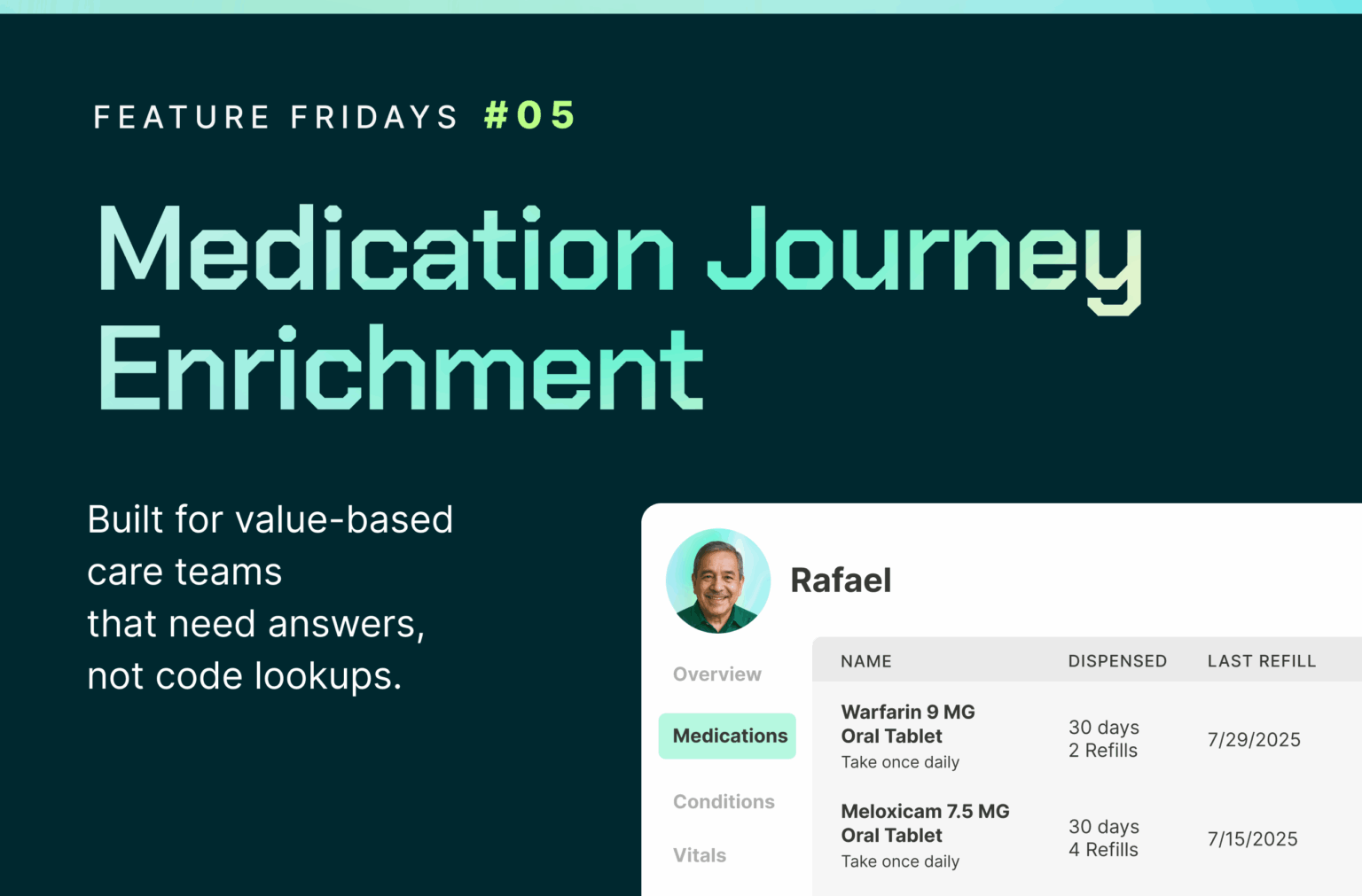
Feature Fridays: Making Medication Management Smarter with Medication Journey Enrichment

Zus Health Recognized as Early Adopter in CMS Interoperability Framework

Feature Fridays: Keeping the Patient Record Always On with Intelligent Refresh
Feature Fridays: There’s a New CPR in Town that’s Changing how Care is Delivered

Feedback Zus shared with CMS: Building Smarter Infrastructure for Data-Driven Care



Pipe Dreams: Converting ADT Noise into Transitions of Care Clarity

Strengthening the Future of Value-Based Care: Reflections on Health Care Value Week

Zus Health Celebrates Unprecedented Growth, Announcing New Clients and AI-Powered Innovations




Bracing for the Presidential Election: Healthcare on the Political Divide









Zus Health Joins athenahealth's Marketplace Program to Bring Real-time Clinical Data to the Point of Care














Zus Health Closes Financing, Signs Partnership with Elation Health, to Accelerate Growth of its Data Service to Provide Connective Tissue for Healthcare








Zus and Healthie Partner to Empower Digital Health Organizations to Access Patient Health History